
Many people dream of working in coffee shops or starting a coffee business. Therefore, beginner coffee training offers the perfect starting point. It helps learners understand coffee preparation, espresso making, milk steaming, and customer service. In addition, proper training builds confidence and practical skills that employers value.
Coffee is more than a drink. Moreover, it is a growing industry with many career opportunities. Whether you want to become a barista or improve your coffee knowledge, beginner coffee training provides a strong foundation.

First, training helps students understand coffee fundamentals. As a result, learners gain confidence when handling coffee equipment and serving customers.
Many beginners feel overwhelmed by espresso machines. However, structured training breaks each process into simple steps. Therefore, students learn faster and make fewer mistakes.
Students learn where coffee comes from and how it is processed. In addition, they discover how roasting affects flavor and aroma.
Espresso forms the base of many coffee drinks. Therefore, learners practice grinding, dosing, tamping, and extraction.
Students also learn how to identify under-extracted and over-extracted shots. As a result, they can improve coffee quality consistently.
Milk texture plays a major role in coffee quality. Moreover, proper steaming improves drink appearance and taste.
Learners practice creating smooth microfoam for cappuccinos and lattes. Because of this, they develop skills used in modern coffee shops.
Many coffee customers enjoy attractive drinks. Therefore, beginner courses introduce simple latte art patterns.
Students often start with hearts and tulips. In addition, they learn pouring control and milk consistency.
Technical skills matter. However, customer service remains equally important.
Baristas interact with customers daily. As a result, communication and professionalism help create positive experiences.
Most beginner coffee training programs provide hands-on experience with professional equipment. Therefore, learners become comfortable working in real coffee shop environments.
Beginner coffee training suits many people. For example, students, job seekers, entrepreneurs, and coffee enthusiasts can all benefit.
Coffee careers continue to grow. Therefore, trained individuals can pursue different opportunities.
Many graduates start as junior baristas. Moreover, experience often leads to senior positions.
Some learners move into supervisory roles. As a result, they manage teams and daily operations.
Entrepreneurs use coffee skills to launch cafes. In addition, training helps reduce costly mistakes.
Selecting the right course is important. Therefore, compare several factors before enrolling.
For professional training options, visit Barista Hub Courses. In addition, you can contact the training team through their contact page.
Coffee education offers long-term value. Therefore, learners gain practical skills that apply in many workplaces.
Many graduates also explore hospitality careers. Moreover, industries such as travel and tourism continue to value customer service expertise. For example, professionals in sectors similar to those featured by travel companies benefit from strong hospitality skills.
Likewise, communication and attention to detail remain valuable across industries, including professional service sectors represented by organizations such as healthcare and client-focused businesses.
Beginner coffee training teaches coffee fundamentals, espresso preparation, milk steaming, brewing methods, and customer service skills.
No. Most beginner programs welcome learners with no previous coffee experience.
Course duration varies. However, many beginner programs last from a few days to several weeks.
Yes. Training develops practical skills that employers often seek when hiring baristas.
Certification helps demonstrate your knowledge and commitment. Therefore, it may improve employment opportunities.
Beginner coffee training provides the skills needed to start a successful coffee career. Moreover, it helps learners understand espresso preparation, milk steaming, customer service, and coffee knowledge. Whether you want a barista job or plan to open a café, beginner coffee training offers a strong starting point for long-term success.
Ready to build professional coffee skills? Therefore, enroll in a practical coffee course and gain real-world experience. Learn from industry experts, practice on professional equipment, and prepare for exciting opportunities in the coffee industry.
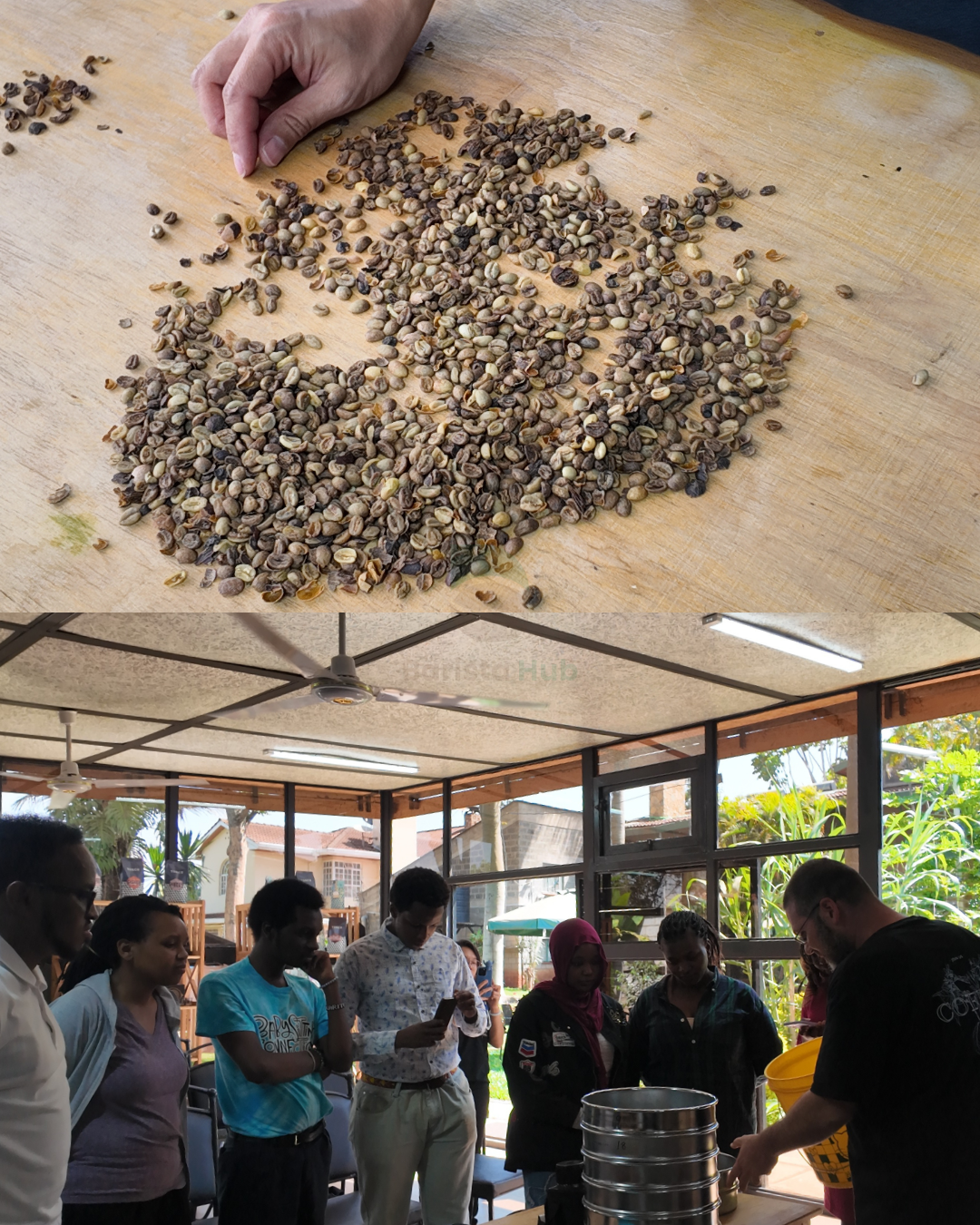
SEO ALT Text: beginner coffee training students learning professional barista skills
Image Title: Beginner Coffee Training Class
Image Caption: Students practicing espresso preparation during beginner coffee training.
Image Description: A hands-on beginner coffee training session where learners practice espresso extraction, milk steaming, and essential barista skills using professional coffee equipment.
