
Latte art training Nairobi has become one of the most sought-after coffee skills today. First, customers expect great coffee and beautiful presentation. Therefore, cafés look for baristas who can create attractive latte art with confidence.
Many coffee shops compete for customer attention. As a result, visual presentation plays a major role in customer satisfaction. A well-designed latte can improve the customer experience and encourage repeat visits.
Moreover, latte art shows that a barista understands milk texture and espresso quality. These skills help professionals stand out in a competitive coffee industry.
Professional latte art classes focus on both technique and consistency. First, learners understand the basics of espresso extraction. Next, they practice milk steaming and pouring methods.
Students learn how to create smooth microfoam. Therefore, the milk blends perfectly with espresso. Proper texture creates the foundation for every latte art design.
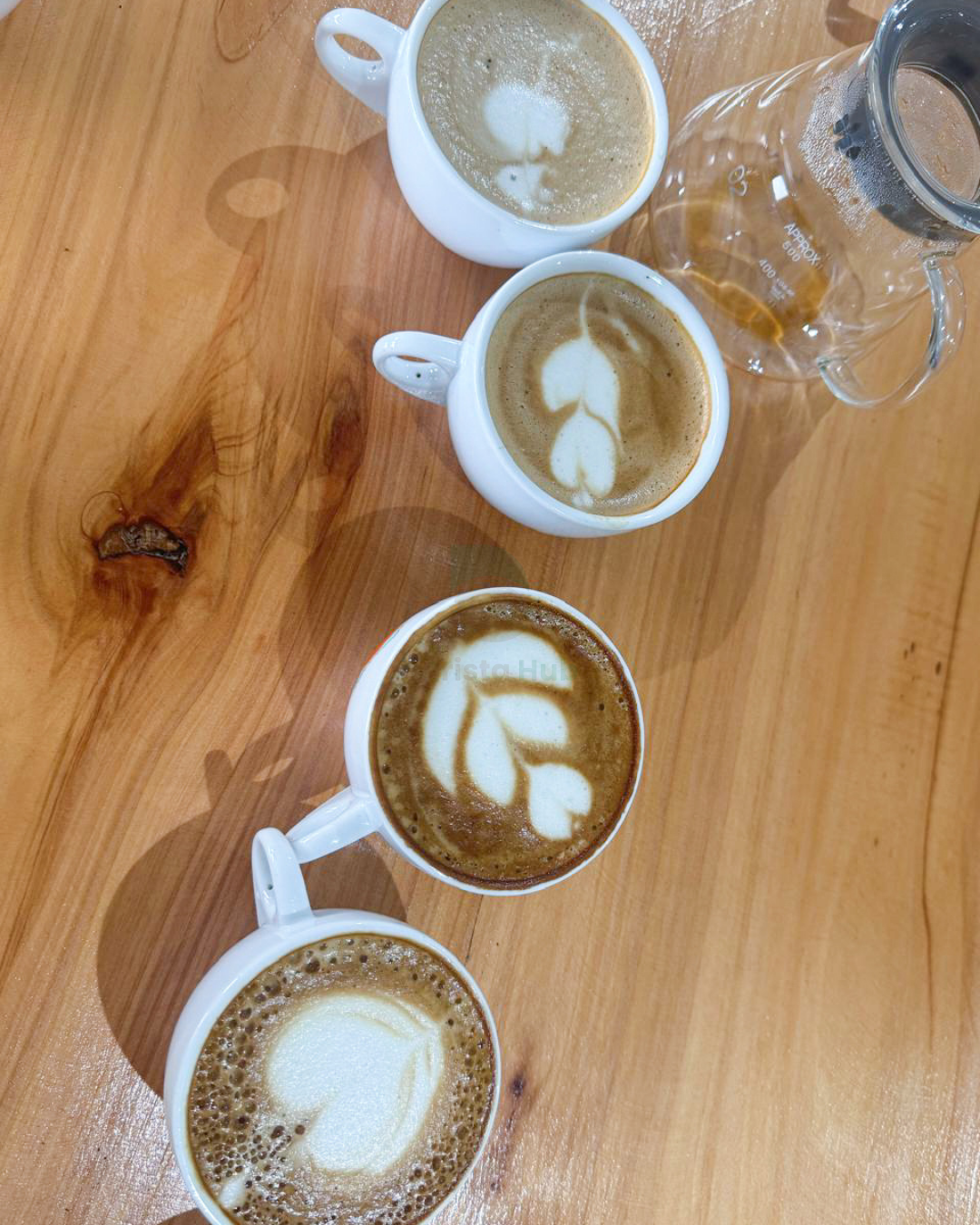
Beginners start with simple patterns. For example, heart designs help learners understand flow control. In addition, tulips and rosettas improve pouring precision.
Great latte art begins with quality espresso. Therefore, trainees learn how to grind coffee correctly and extract balanced shots. Consistent espresso supports better latte art results.
Latte art offers more than visual appeal. Moreover, it helps build professional confidence and practical café skills.
Many employers prefer baristas with advanced coffee skills. As a result, trained candidates often receive more job opportunities. Coffee shops value professionals who can deliver quality drinks consistently.
Customers appreciate attention to detail. Therefore, attractive coffee presentation creates memorable experiences. Positive experiences often lead to stronger customer loyalty.
This training develops a deeper understanding of coffee preparation. In addition, students learn how milk, espresso, and presentation work together.
Latte art courses suit many people. First, aspiring baristas can build practical skills. Second, café owners can improve service quality. Finally, coffee enthusiasts can develop a rewarding hobby.
The course is ideal for:
Learning speed varies among students. However, most beginners can create simple heart designs after a short period of practice. More advanced patterns require additional training and repetition.
Students who practice regularly improve faster. Because of this, hands-on training remains the most effective learning method.
Professional training introduces learners to industry-standard equipment. Therefore, students gain experience with tools commonly found in cafés.
Using professional equipment builds confidence. As a result, graduates adapt quickly to real café environments.
The coffee industry continues to grow across Kenya. Therefore, skilled baristas remain in demand. Many professionals begin with coffee preparation and later move into training, café management, or business ownership.
Moreover, strong latte art skills enhance a barista’s portfolio. Employers often view these skills as proof of attention to detail and dedication to quality.
Choosing a reputable training center is important. First, look for hands-on learning opportunities. Second, ensure instructors have real café experience. Finally, select programs that focus on practical application.
Students can explore available programs through coffee and barista courses. In addition, prospective learners can ask questions through the contact page.
Professionals in hospitality often value practical service skills. For example, customer-facing industries such as travel at Spot On Vacations benefit from quality service standards. Similarly, organizations such as Nur Fertility recognize the importance of professional client experiences.
Latte art training is a practical coffee course that teaches milk texturing, espresso preparation, and pouring techniques used to create designs such as hearts, tulips, and rosettas on coffee drinks.
Latte art training teaches baristas how to texture milk correctly and create attractive designs on coffee beverages.
Yes. Most courses welcome beginners and start with basic coffee preparation skills.
Simple designs can be learned quickly. However, advanced patterns require ongoing practice.
No. Many training programs are designed specifically for new learners.
Yes. Employers often value practical coffee skills, including milk texturing and latte art presentation.
Latte art training Nairobi provides valuable skills for anyone interested in coffee service. First, learners develop confidence behind the espresso machine. Moreover, they gain practical experience with milk texturing and coffee presentation. As a result, graduates improve their career prospects and customer service skills. Whether you are starting a coffee career or expanding your expertise, latte art training Nairobi offers a strong path toward professional growth.
Ready to elevate your coffee skills? Explore professional barista programs, practice with experienced trainers, and build confidence in every cup. Therefore, now is the perfect time to begin your journey into the exciting world of specialty coffee and latte art.
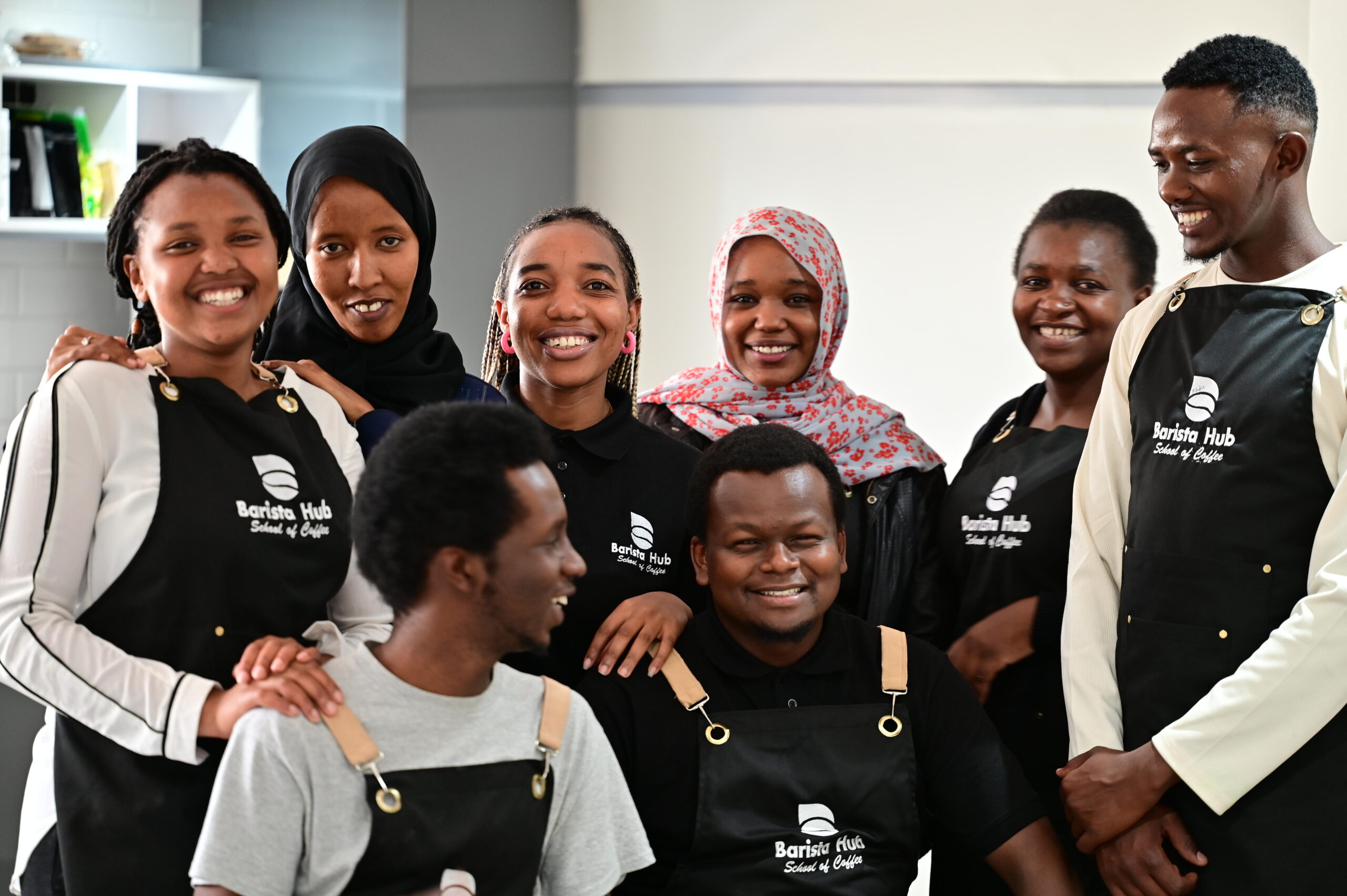
SEO ALT Text: Latte art training Nairobi students practicing professional coffee and milk pouring skills
Image Title: Latte Art Training Nairobi Coffee Skills Course
Image Caption: Students learning professional latte art techniques during hands-on coffee training in Nairobi.
Image Description: Professional coffee training session showing students practicing milk texturing, espresso preparation, and latte art techniques in Nairobi. The image highlights hands-on learning for aspiring baristas seeking career-focused coffee skills.
