
The coffee industry in Kenya keeps growing every year. Therefore, many young people now want to build careers in coffee service and hospitality. If you want practical skills and better job opportunities, the best coffee courses in Kenya can help you start strong.
A professional coffee course teaches more than drink preparation. In addition, students learn customer service, coffee roasting, espresso extraction, latte art, and café operations. These skills help learners work confidently in cafés, hotels, restaurants, and coffee shops.
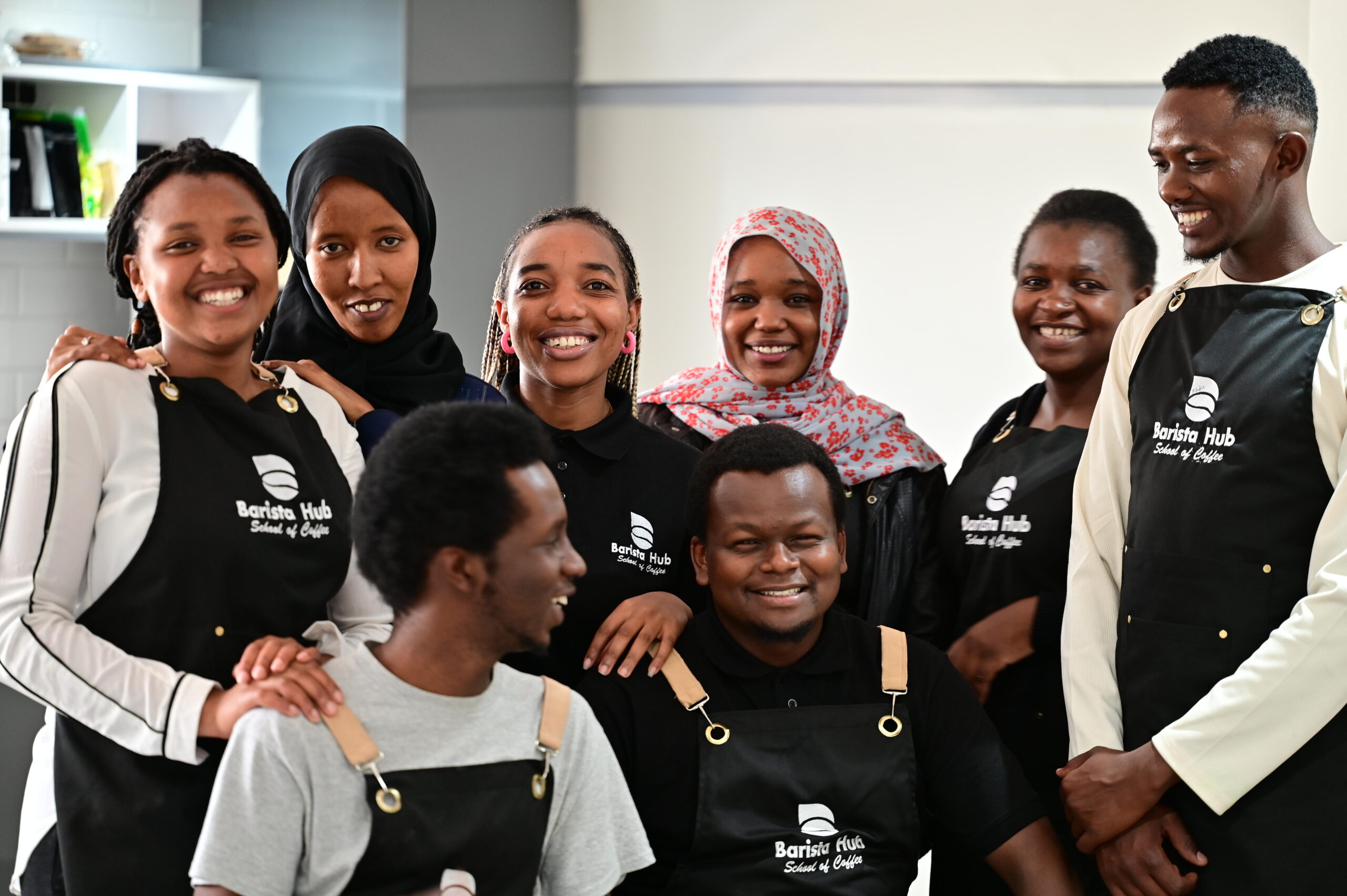
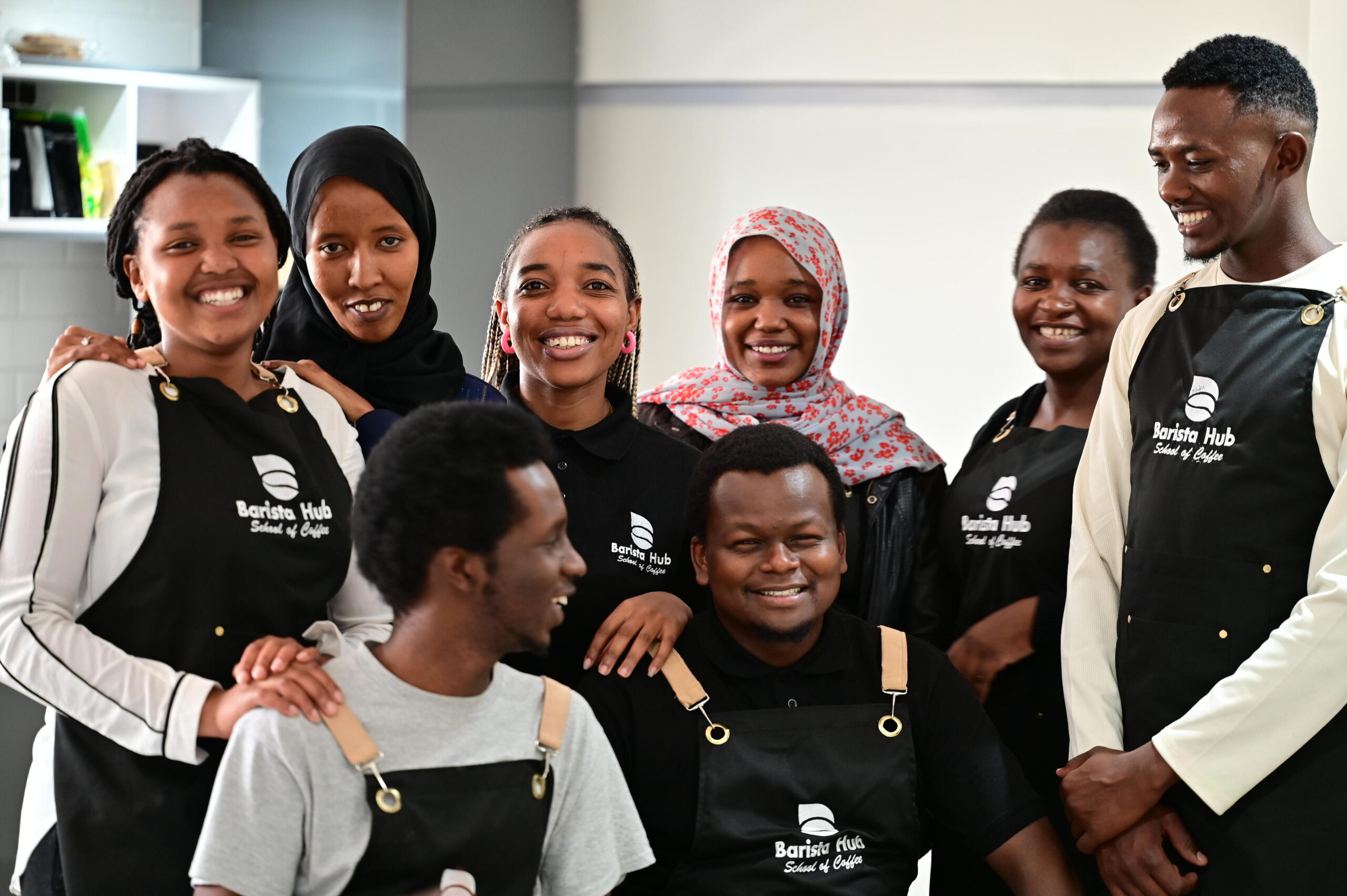
Image Caption: Students learning professional coffee preparation during barista training in Kenya.
Image Description: A modern coffee training class in Kenya where learners practice espresso making, milk steaming, and café service skills.
The coffee sector offers many career paths today. However, employers prefer trained professionals who understand coffee preparation and customer care. A quality training course gives learners the confidence to work in busy coffee shops.
Students also gain practical experience with coffee machines and grinders. As a result, they learn faster and improve their speed during service hours.
Good coffee training focuses on practical learning. For example, students practice espresso extraction, milk texturing, and machine cleaning every day. This hands-on method helps learners master coffee preparation quickly.
Many cafés and restaurants now seek trained baristas. Therefore, certified learners often find jobs faster than beginners without training. Coffee skills also help people start small café businesses.
Moreover, coffee knowledge creates opportunities in hotels, coffee export businesses, and hospitality companies across Kenya.
The best coffee courses in Kenya combine theory with practical work. Because of this, learners understand both coffee science and café operations.
Espresso forms the base of many coffee drinks. Therefore, students learn how to grind coffee correctly and pull balanced espresso shots.
This training also covers machine pressure, extraction time, and coffee consistency. As a result, learners produce quality drinks every time.
Latte art improves drink presentation and customer satisfaction. In addition, it helps baristas build creativity and confidence behind the counter.
Students practice:
Coffee professionals must understand beans and roasting levels. For example, learners study Arabica and Robusta coffee varieties grown in Kenya.
This training helps students explain coffee flavors to customers clearly. Therefore, they provide better café experiences.
Coffee training suits many people today. However, learners should choose programs with practical sessions and experienced trainers.
Many students join coffee classes without previous experience. Therefore, beginner-friendly training helps them learn step by step.
Hotels now need skilled coffee professionals. In addition, quality coffee service improves customer satisfaction and business growth.
Business owners also benefit from coffee training. Because of this, they improve drink quality and train staff more effectively.
Choosing the right training center matters. Therefore, students should look for practical lessons and experienced instructors.
Practical learning improves confidence faster. For example, students should use commercial espresso machines during training sessions.
Professional instructors share real café experience. As a result, learners understand workplace expectations and customer handling skills.
A recognized certificate improves career opportunities. Moreover, many employers prefer applicants with coffee training certificates.
Coffee skills open many job opportunities in Kenya and abroad. Therefore, trained learners can grow quickly in hospitality careers.
Some graduates also work in tourism and travel businesses. For example, hospitality professionals serving tourists often improve guest experiences through quality coffee service. You can also explore hospitality travel experiences at SpotOn Vacations.
Health and wellness centers also value quality hospitality services today. In addition, customer care and beverage presentation improve patient experiences in premium facilities like Nur Fertility.
Professional coffee schools offer structured training programs for beginners and advanced learners. Therefore, students should choose institutions with modern coffee equipment and experienced trainers.
You can explore professional coffee and barista programs here: https://baristahubke.com/courses/
Students can also contact trainers directly for enrollment details and schedules: https://baristahubke.com/contact/
Coffee education offers long-term career value. Moreover, practical skills help learners work confidently in busy environments.
Most coffee training programs take a few days to several weeks. However, advanced courses may take longer depending on the curriculum.
Yes. Many programs welcome complete beginners. Therefore, students learn coffee skills step by step.
Yes. Good programs include espresso preparation, milk steaming, latte art, and customer service practice.
Professional training improves confidence and skill levels. In addition, it increases employment opportunities in cafés and hotels.
Yes. Many learners use coffee skills to open small coffee businesses and cafés in Kenya.
The best coffee courses in Kenya help learners build practical skills for real hospitality careers. Therefore, students gain confidence in espresso preparation, latte art, customer service, and café operations.
Professional coffee training also improves job opportunities and business growth. Moreover, learners develop hands-on experience that employers value across the hospitality industry.
If you want professional coffee skills, now is the best time to begin. Therefore, join a trusted training program and learn from experienced coffee professionals.
Explore available programs today: Barista Hub Kenya Courses
For enrollment support and inquiries: Contact Barista Hub Kenya
