
Coffee culture in Kenya continues to grow every year. As more cafés, restaurants, and hotels open across the city, the demand for skilled baristas keeps increasing. For this reason, enrolling in a professional barista course Nairobi can open the door to exciting career opportunities in the hospitality and specialty coffee industry.
A quality barista course teaches more than basic coffee preparation. Students learn espresso extraction, milk steaming, brewing methods, customer service, equipment maintenance, and café workflow management. In addition, professional training helps students gain confidence while preparing drinks in real café environments.
Whether you want to work in a coffee shop, start your own café, or improve your hospitality skills, this guide explains everything you need to know before joining a barista training program in Nairobi.
Nairobi has become one of East Africa’s leading coffee destinations. The city is home to modern coffee houses, specialty cafés, luxury hotels, and growing hospitality businesses. As a result, employers are actively searching for trained baristas who understand coffee preparation and customer service.
A professional barista course Nairobi gives students practical experience using commercial espresso machines and coffee grinders. Furthermore, students learn how to prepare consistent, high-quality beverages that meet modern café standards.
Most importantly, professional training helps students stand out in a competitive job market. Many employers prefer candidates who already understand café operations and beverage preparation.
A comprehensive coffee course covers both theory and practical training. Instead of focusing only on coffee recipes, students learn the complete process behind professional beverage preparation.
Espresso forms the base of many café drinks. Therefore, learning proper extraction techniques is one of the most important parts of barista training.
Students typically learn:
These practical skills help baristas produce balanced and flavorful coffee consistently.
Milk-based beverages remain highly popular in cafés across Nairobi. Consequently, students spend time learning milk texturing and latte art skills.
Professional trainers usually teach:
Latte art not only improves beverage presentation but also enhances the customer experience.
Specialty coffee shops increasingly offer manual brewing methods. Because of this trend, modern barista courses include alternative coffee brewing techniques.
Students may learn:
Understanding coffee origins is essential for professional baristas. Kenya produces some of the world’s most respected coffee beans. Therefore, many training programs teach students about:
This knowledge helps baristas explain coffee options to customers with confidence.
Barista training is suitable for many different people. You do not need previous experience to begin learning coffee skills.
Many students start with little or no hospitality experience. Fortunately, beginner-friendly courses teach foundational coffee skills step by step.
Restaurant staff, hotel workers, and café employees often take barista classes to improve their qualifications and career opportunities.
If you plan to open a coffee shop, professional training can help you understand café operations, beverage consistency, and customer expectations.
Some students simply enjoy learning about coffee culture and brewing methods. A professional course allows coffee lovers to deepen their understanding of specialty coffee preparation.
Not every training center offers the same quality of education. Therefore, it is important to evaluate several factors before enrolling.
The best programs focus heavily on practical sessions. Students should spend significant time preparing beverages using commercial espresso equipment.
Qualified trainers with real café experience provide practical insights that students can apply immediately in hospitality environments.
A quality curriculum should include:
Professional certification can improve your credibility when applying for hospitality jobs. In many cases, employers prefer candidates who completed structured coffee training programs.
The hospitality industry offers several career paths for trained coffee professionals. As coffee culture continues growing in Kenya, demand for skilled baristas remains strong.
Many graduates begin their careers working in coffee shops, restaurants, hotels, and specialty cafés.
Experienced professionals can progress into leadership positions where they supervise teams, maintain quality standards, and manage café operations.
Some baristas later become coffee trainers who teach students and hospitality staff.
Entrepreneurs can use their coffee skills to launch cafés or coffee businesses in Nairobi’s growing hospitality market.
Course duration depends on the level of training and institution. Some beginner programs take a few days, while advanced specialty coffee courses may continue for several weeks.
Short programs usually focus on foundational coffee preparation. Meanwhile, advanced courses often include brewing science, café management, and sensory coffee evaluation.
Coffee preparation is a hands-on skill. Reading about espresso extraction alone is not enough. Students improve faster when they practice beverage preparation repeatedly under professional guidance.
Practical learning also helps students develop speed, consistency, and confidence. These skills are especially important in busy café environments where efficiency matters.
If you want to explore professional coffee training options, you can learn more through the official course page below:
Explore Professional Barista Courses
For enrollment details, schedules, or customized training inquiries, contact the training team directly:
Contact the Barista Training Team
Hospitality professionals often explore travel experiences to understand international café culture and customer service standards. Helpful travel inspiration is available at:
Additionally, maintaining personal wellness is important in fast-paced hospitality environments. Lifestyle and wellness resources are available through:
Consistent practice improves speed, confidence, and beverage quality. Even experienced baristas continue refining their coffee skills regularly.
Excellent customer service is just as important as coffee quality. Friendly communication and professionalism help create loyal customers.
The coffee industry evolves quickly. Therefore, successful baristas continue learning about brewing techniques, specialty coffee trends, and café innovations.
Clean and well-maintained equipment produces better coffee. Learning proper machine maintenance also helps cafés reduce repair costs and maintain consistency.
The best beginner course combines hands-on espresso preparation, milk steaming, customer service, and coffee brewing techniques in a practical learning environment.
Course fees vary depending on training duration, certification level, and course content. Beginner programs are usually more affordable than advanced specialty coffee courses.
Yes. Many cafés, restaurants, and hotels prefer hiring trained baristas because they already understand beverage preparation and café operations.
No previous experience is required for most beginner-level barista programs.
Basic coffee preparation skills can develop within weeks. However, mastering advanced latte art and specialty brewing techniques takes continuous practice.
Yes. Kenya’s growing café culture and hospitality industry continue creating opportunities for trained coffee professionals across Nairobi and other cities.
Joining a professional barista course Nairobi is an excellent step for anyone interested in coffee careers, hospitality work, or café entrepreneurship. Professional training provides practical skills, industry knowledge, and real-world experience that help students succeed in modern coffee environments.
As Nairobi’s specialty coffee industry continues expanding, trained baristas remain in high demand. Whether you want to work in a café, improve your hospitality qualifications, or start your own coffee business, professional training can help you achieve your goals.
Ready to begin your coffee journey? Enroll in a professional barista training program today and gain the practical skills needed to succeed in the hospitality industry. Learn espresso preparation, latte art, brewing methods, and customer service from experienced coffee professionals.
Start Your Barista Training Today
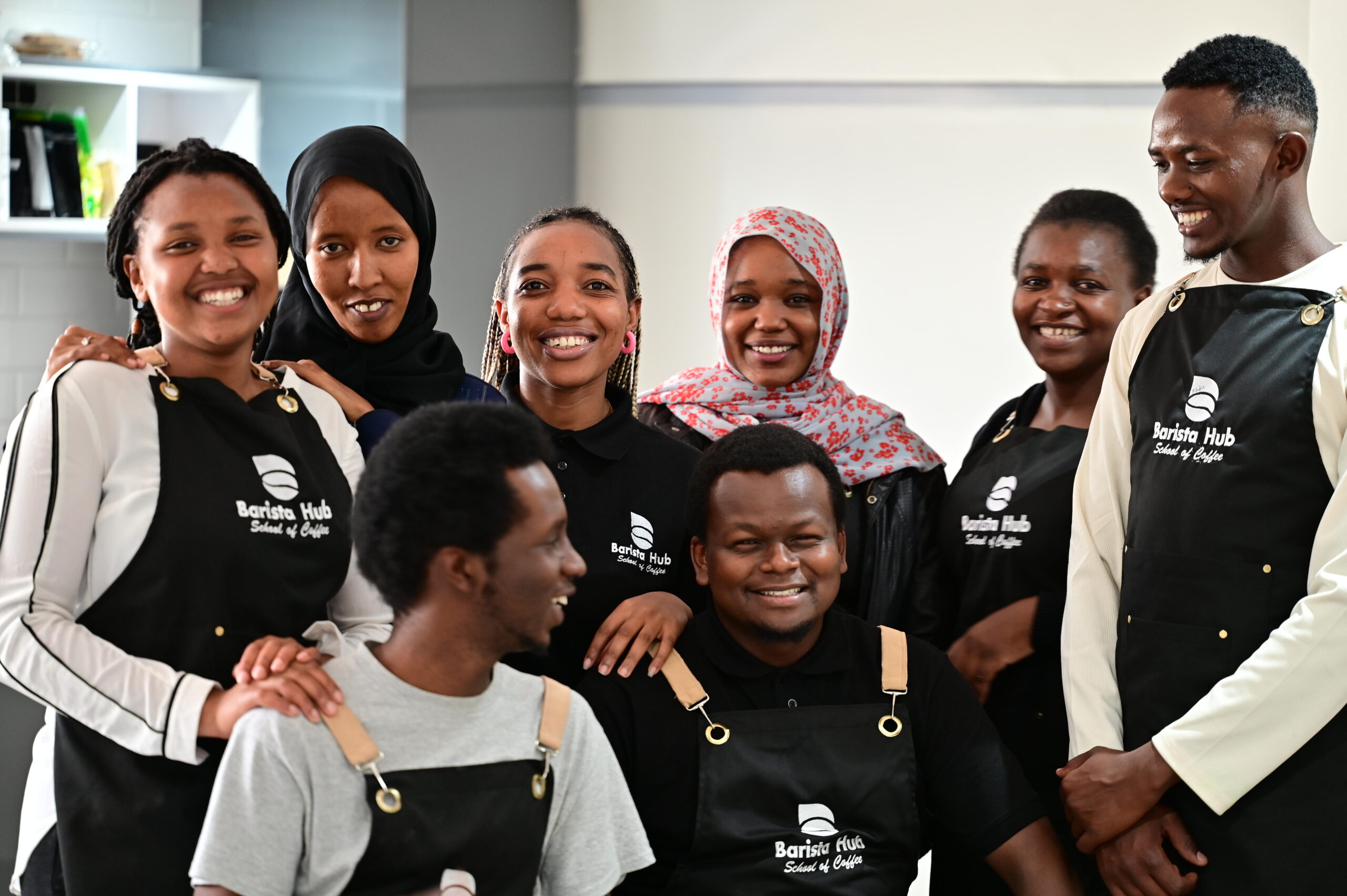
Image URL: https://baristahubke.com/wp-content/uploads/2025/12/DSC_6388-scaled.jpg
Optimized Alt Text: Students learning espresso skills during a barista course Nairobi session
Suggested Image Title: Professional Barista Course Nairobi Coffee Training
Suggested Image Caption: Students practicing espresso extraction and milk steaming during a professional coffee training session in Nairobi.
Suggested Image Description: A hands-on coffee training class in Nairobi where aspiring baristas learn espresso preparation, latte art, brewing techniques, and café customer service skills.
