

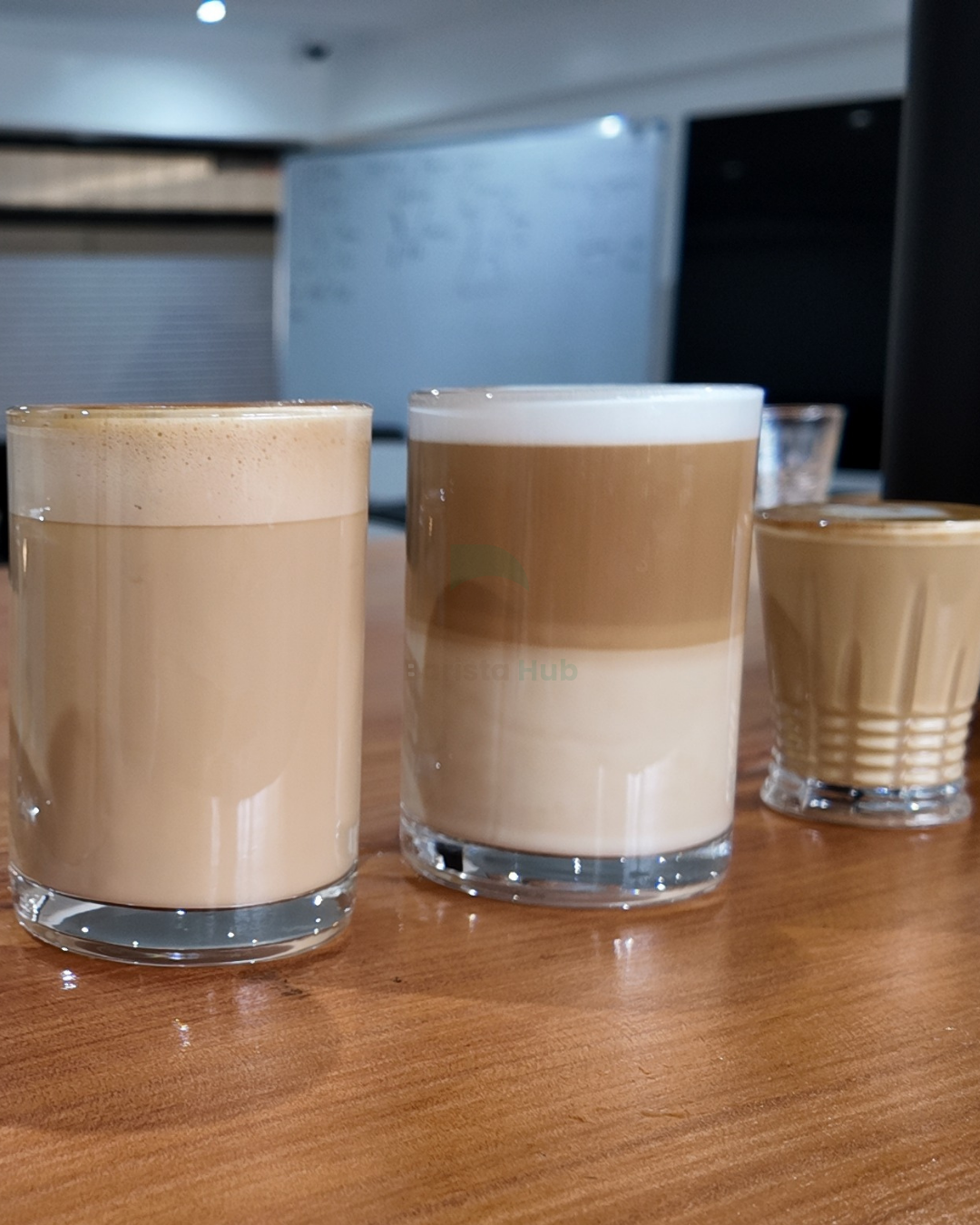
Coffee lovers often want to make café-quality drinks at home. Therefore, this Beginner Guide to Espresso Making will help you learn the basics. Espresso forms the foundation of many popular coffee drinks. In addition, understanding espresso preparation improves your overall coffee skills.
Many beginners feel intimidated by espresso machines. However, the process becomes simple with proper guidance. As a result, you can create rich and flavorful espresso shots with confidence.

Espresso is a concentrated coffee beverage. It is made by forcing hot water through finely ground coffee under pressure. Therefore, the result is a rich drink with intense flavor and aroma.
Unlike regular brewed coffee, espresso contains a layer called crema. Moreover, crema adds texture and visual appeal to every shot.
Learning espresso preparation helps you build strong coffee skills. In addition, it allows you to understand coffee extraction and flavor balance.
Students who practice espresso techniques gain valuable experience. As a result, they can prepare drinks more consistently. Moreover, these skills support both home brewing and professional barista careers.
First, you need the right equipment. Therefore, investing in quality tools improves your results.
The espresso machine provides pressure for extraction. Moreover, consistent pressure creates balanced espresso shots.
Freshly ground coffee improves flavor. Therefore, a burr grinder is highly recommended.
A tamper compresses coffee grounds evenly. As a result, water flows consistently through the coffee bed.
A digital scale improves accuracy. In addition, it helps maintain consistency between shots.
Fresh beans deliver better flavor. Therefore, use beans roasted within the last few weeks.
Many baristas prefer medium or medium-dark roasts. However, personal taste always matters.
Espresso requires a fine grind. Therefore, adjust your grinder until extraction appears balanced.
If water flows too quickly, grind finer. On the other hand, if extraction takes too long, grind slightly coarser.
Most espresso recipes use 18 to 20 grams of coffee. As a result, measuring accurately improves consistency.
Distribute the coffee grounds evenly before tamping. Then apply firm pressure using the tamper.
Because of this, water passes evenly through the coffee during extraction.
Lock the portafilter into the machine. Then start the extraction process immediately.
A quality shot usually takes 25 to 30 seconds. Therefore, monitor extraction time carefully.
Old coffee loses aroma and flavor. Therefore, always use fresh beans.
Grind size greatly affects extraction. Moreover, small adjustments can create noticeable improvements.
Uneven tamping causes channeling. As a result, water extracts coffee unevenly.
Clean equipment produces better coffee. Therefore, maintain your machine regularly.
Espresso serves as the base for many beverages. For example, cappuccinos, lattes, flat whites, and macchiatos all begin with espresso.
Learning espresso preparation improves every milk-based drink. In addition, it strengthens your understanding of coffee craftsmanship.
Many coffee enthusiasts choose formal training. Therefore, they gain hands-on experience with professional equipment.
Structured courses teach extraction techniques, milk steaming, and workflow management. As a result, students learn industry-standard practices.
To develop professional coffee skills, explore available training options through Barista Hub Courses. In addition, prospective learners can reach the training team through the contact page.
Hospitality skills gained through coffee training often support careers in customer-focused industries. For example, service excellence is important in sectors such as travel, similar to organizations like Spot On Vacations.
Likewise, attention to detail remains valuable in many professional fields. Moreover, organizations such as NUR Fertility also emphasize quality service and client care.
A common starting ratio is 1:2. Therefore, 18 grams of coffee produces about 36 grams of espresso.
Most espresso shots extract within 25 to 30 seconds. However, slight adjustments may improve flavor.
No. Beginners can start with basic equipment and upgrade later.
Yes. Many successful baristas started with no prior coffee knowledge.
Bitterness often comes from over-extraction. Therefore, adjust grind size or extraction time.
This Beginner Guide to Espresso Making provides the foundation needed for great coffee preparation. Moreover, mastering espresso improves brewing confidence and coffee quality. Whether you brew at home or pursue a coffee career, this Beginner Guide to Espresso Making can help you achieve better results every day.
Ready to improve your espresso skills? Therefore, enroll in professional barista training and gain practical experience. Learn from experts, work with professional equipment, and build confidence for success in the coffee industry.
SEO ALT Text: Beginner Guide to Espresso Making with espresso extraction and barista training
Image Title: Beginner Guide to Espresso Making Training Session
Image Caption: Students learning espresso extraction techniques during professional coffee training.
Image Description: A hands-on coffee training session demonstrating espresso preparation, grinding, tamping, extraction techniques, and professional barista skills for beginners.
