
Barista Certification: Fast Track to Coffee Mastery
Getting a barista certification can change your coffee career quickly. For example, a certified barista learns technique, tasting, and workflow. Therefore this guide explains courses, costs, and career steps in clear, simple language. Moreover you’ll find tips for real work and hiring-ready skills.
What is a Barista Certification?
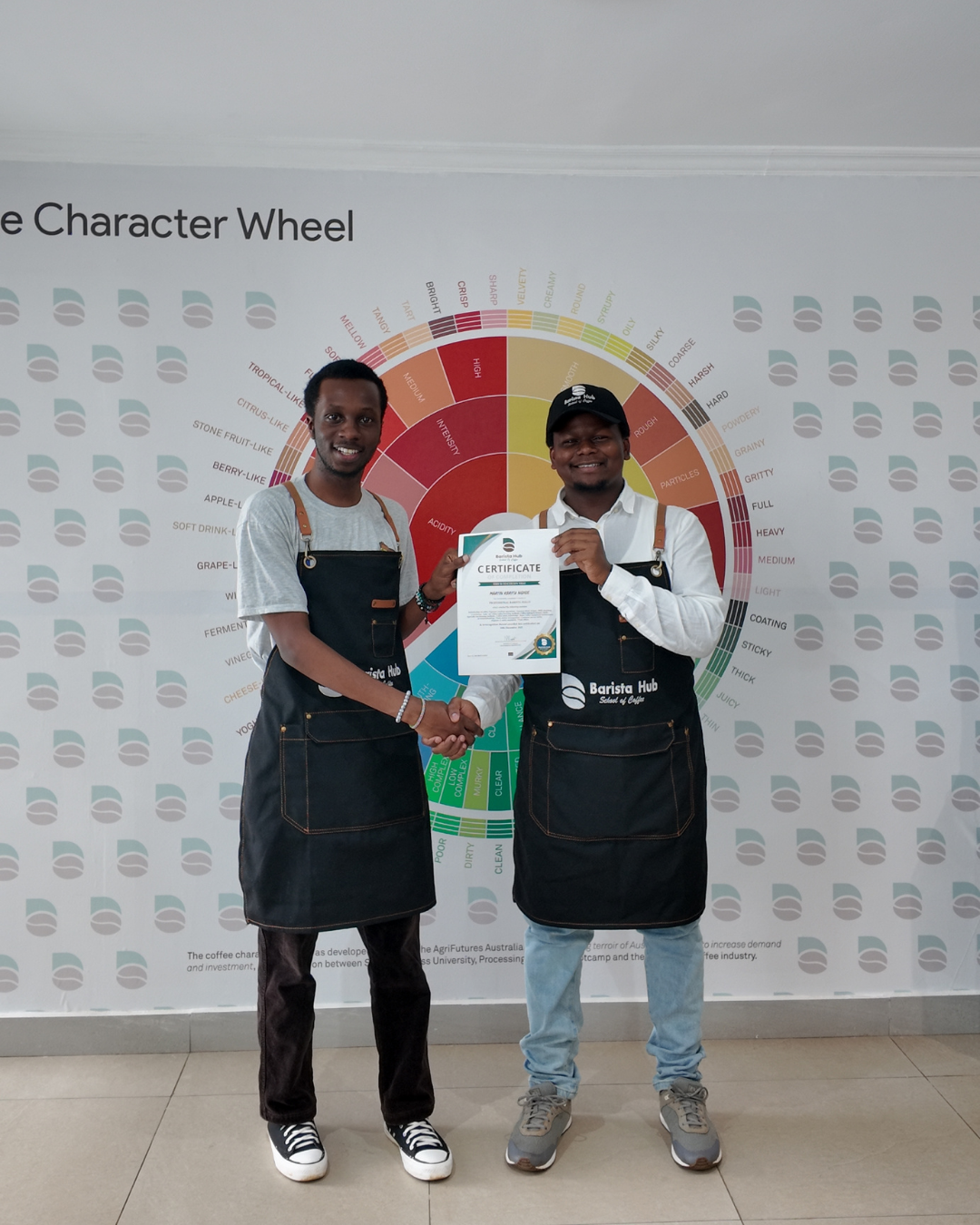
A barista certification is a formal credential that proves coffee-making skills. In addition, certified baristas can show employers they know espresso, milk texturing, and cleanliness. First, the course covers equipment and safety. Second, it covers drink recipes and customer service. Finally, it includes tasting and evaluation.
Why certification matters
- Confidence with machines and grinders.
- Better coffee quality at work and home.
- Higher hiring chances and pay.
- Clear proof of skill for managers and customers.
What you learn in a Barista Certification
The course mixes theory and hands-on practice. For example, students practice dosing, tamping, and steaming. Moreover they study espresso extraction, latte art, and cleaning routines. Because of this, graduates leave ready to work in busy cafés.
Core modules
- Espresso theory and extraction.
- Grind setting and dosing.
- Milk steaming and latte art basics.
- Cleanliness, hygiene, and machine care.
- Customer service and POS operation.
Advanced topics
- Sensorial tasting and flavour profiling.
- Roast and origin knowledge.
- Troubleshooting equipment issues.
How long does Barista Certification take?
Most courses run from one day to six weeks. First, short workshops focus on core skills. Second, longer programs add tasting and business modules. Therefore choose based on your schedule and goals.
Cost of Barista Certification
Prices vary by provider and length. For example, a one-day workshop costs less than a multi-week diploma. In addition, location and included materials affect price. As a result budget between affordable workshops and premium diplomas.
How to pick the right barista course
Choose courses with clear learning outcomes and hands-on time. Moreover check trainer experience and trainee reviews. Finally confirm practical assessment and a certificate on completion.
Checklist for choosing a course
- Hands-on machine time included.
- Trainer has real café experience.
- Small class sizes for feedback.
- Assessment and certificate provided.
- Good trainee reviews and job support.
Top skills employers look for
Employers value speed, consistency, and friendliness. In addition, technical troubleshooting and milk skills matter. Therefore practice under pressure and keep standards high.
Soft skills to develop
- Clear communication and teamwork.
- Calmness during rush hours.
- Clean and safe work habits.
Barista Certification and career outcomes
A certificate often leads to better roles and faster promotion. For example, many supervisors hire certified staff first. Moreover some graduates start roasting or open cafés. Because of this, certification can be an investment in your future.
Image: Practical training session
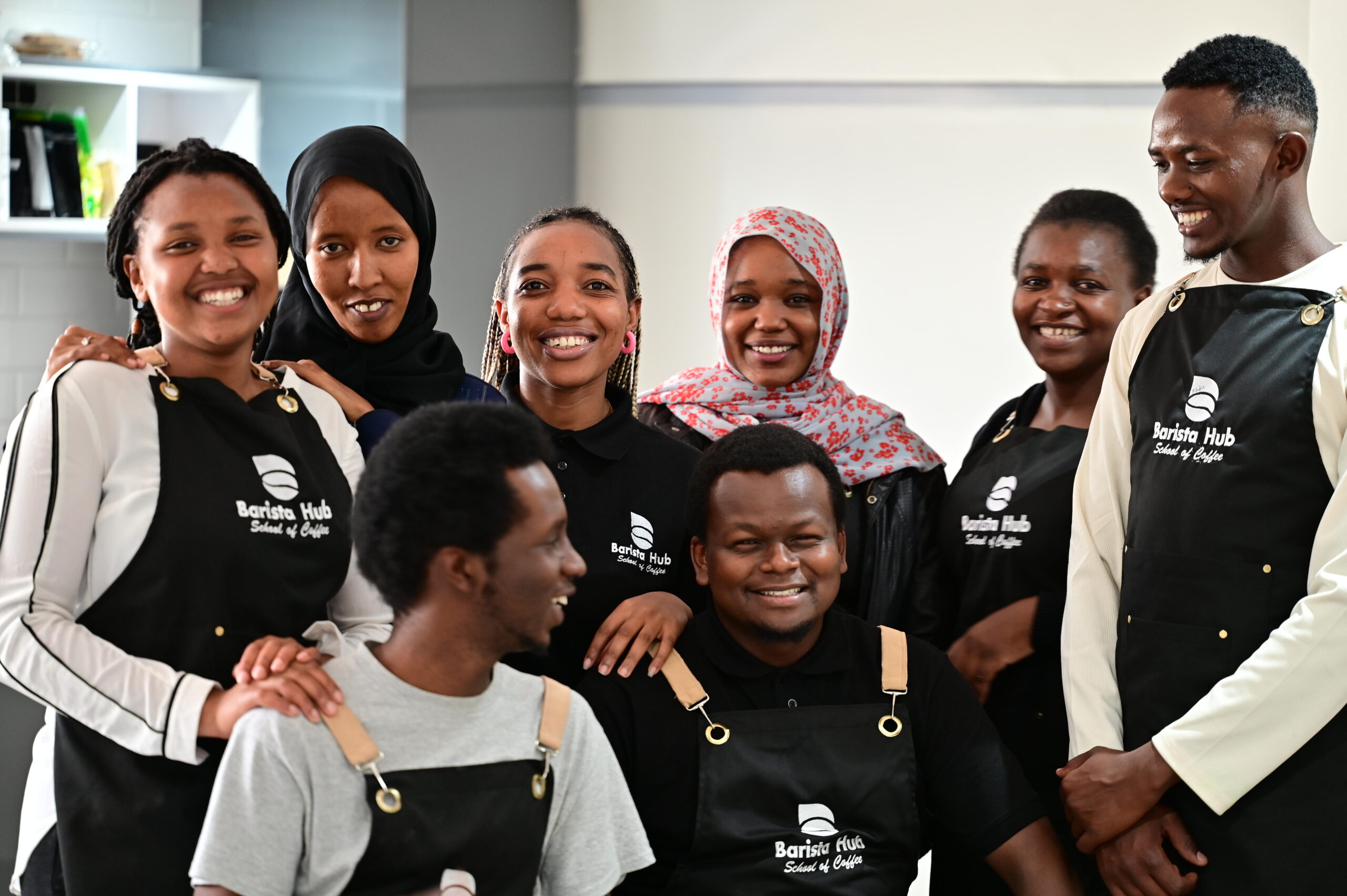
Caption: Hands-on practice during barista certification teaches espresso extraction and milk texturing.
Image description: Trainees working on espresso machines in a guided training session; focus on dosing, tamping, and steaming during certification.
Frequently Asked Questions (People Also Ask)
What is included in barista certification?
Barista certification includes equipment training, espresso extraction, milk texturing, cleaning, and tasting. In addition, many courses add customer service and safety modules.
How long does it take to become a certified barista?
It depends on the program. First, one-day workshops give core skills. Second, extended courses up to six weeks cover advanced topics and tasting.
Is barista certification worth it?
Yes, if you want better job prospects and stronger skills. Moreover certification shows employers you can deliver consistent coffee and work under pressure.
Can I get a job after certification?
Often yes. Employers prefer candidates with hands-on training. For example, certified baristas often find cafe roles faster and can progress to supervisory positions.
Do I need prior experience?
No. Many beginner courses accept new learners. However prior café exposure helps speed learning.
Related resources
For more course options check local providers and national training bodies. In addition, explore practical course listings at our courses page: https://baristahubke.com/courses/. If you have questions contact our training team: https://baristahubke.com/contact/.
For broader travel and hospitality perspectives, see SpotOn Vacations for industry trends: https://spotonvacations.com/. In addition, issues like workplace health may link to specialised care resources such as NUR Fertility: https://nurfertility.com/.
Conclusion
A barista certification gives practical skills, confidence, and job advantages. Moreover it proves you can make consistent, high-quality coffee. Therefore invest in a course that offers hands-on time and real assessments.
Ready to start? Strong CTA
Ready to earn your barista certification and launch a coffee career? Visit our courses page to compare options and enroll today. In addition, contact us if you need guidance on the right program for your goals.
