
The coffee industry in Kenya continues to grow rapidly, creating exciting opportunities for skilled coffee professionals. If you are passionate about coffee and want to build a rewarding career, enrolling in barista training Nairobi programs can help you gain the practical skills and industry knowledge needed to succeed. From mastering espresso extraction to learning latte art and customer service, professional barista training prepares you for real-world café environments.
Nairobi has become a vibrant hub for specialty coffee culture. As a result, cafés, restaurants, hotels, and coffee houses are actively searching for trained baristas who understand coffee preparation, brewing techniques, and customer experience. Whether you are a beginner or someone looking to improve existing skills, this guide explains everything you need to know about becoming a professional barista in Nairobi.
Nairobi is one of East Africa’s leading coffee destinations. The city has experienced significant growth in specialty coffee shops, modern cafés, and hospitality businesses. Consequently, the demand for qualified baristas has increased dramatically over the last few years.
Professional barista training Nairobi programs offer hands-on learning that combines theory with practical coffee-making experience. Students learn how to operate commercial espresso machines, understand coffee beans, maintain equipment, and deliver exceptional customer service.
Moreover, many employers prefer hiring trained baristas because they require less onboarding and can maintain consistent beverage quality from the first day of work.
Modern barista courses cover much more than simply making coffee. A comprehensive training program focuses on technical coffee preparation, hygiene standards, customer experience, and café workflow efficiency.
Espresso serves as the foundation for many coffee beverages. Therefore, learning proper espresso extraction is essential for every aspiring barista. Students typically learn:
Milk-based drinks remain among the most popular café beverages worldwide. During training, students practice milk texturing and learn how to create attractive latte art designs such as hearts, tulips, and rosettas.
These artistic skills not only improve beverage presentation but also enhance customer satisfaction and café professionalism.
Professional baristas should understand multiple brewing methods. As specialty coffee grows in popularity, cafés increasingly offer manual brew options. Students often learn:
Technical coffee skills alone are not enough. Successful baristas also provide excellent customer experiences. Training programs teach communication skills, order handling, professionalism, and problem-solving strategies.
Professional coffee training is suitable for many different individuals. You do not need prior coffee experience to begin learning.
Many students join training programs with little or no café experience. Structured courses provide foundational skills that make entering the coffee industry easier and more professional.
Hotel workers, restaurant staff, and hospitality professionals often enroll in coffee training to expand their expertise and improve career opportunities.
If you plan to open a coffee shop, understanding professional coffee preparation is extremely valuable. Training helps entrepreneurs maintain beverage consistency, manage café operations, and understand customer expectations.
Some individuals simply enjoy learning more about coffee culture and brewing techniques. Professional training allows coffee lovers to deepen their appreciation for specialty coffee.
Not all training programs provide the same quality of education. Therefore, choosing the right institution is essential for your success.
The best programs emphasize real-world practical sessions instead of only classroom theory. Students should spend significant time operating commercial coffee machines and practicing beverage preparation.
A respected training institution often has strong connections within Nairobi’s coffee and hospitality industry. Positive reviews, student success stories, and employer recommendations can indicate program quality.
A strong curriculum should cover:
Certification can strengthen your professional profile. Employers often value candidates who have completed recognized barista training courses.
Completing professional training opens the door to several exciting career opportunities within the coffee and hospitality sectors.
Many graduates begin their careers working in cafés, coffee shops, restaurants, and hotels. This role helps build practical experience and customer interaction skills.
With experience, baristas can progress into leadership roles where they supervise staff, manage quality control, and oversee café operations.
Experienced professionals sometimes become trainers who educate new baristas and coffee enthusiasts.
Entrepreneurs with coffee expertise can establish independent cafés or specialty coffee businesses in Nairobi’s growing coffee market.
Kenya is globally recognized for producing exceptional coffee beans. Therefore, understanding coffee origins, processing methods, and flavor profiles gives baristas a competitive advantage.
Professional barista training Nairobi programs often include coffee cupping sessions where students evaluate aroma, acidity, sweetness, and body. This sensory training helps baristas recommend suitable coffee options to customers.
Course duration varies depending on the training institution and program level. Some beginner courses last a few days, while advanced programs may continue for several weeks.
Short intensive programs focus on foundational skills, whereas comprehensive courses include advanced brewing techniques, café management, and specialty coffee education.
If you are searching for professional coffee education, explore the available training programs here:
View Professional Barista Courses
You can also contact the training team directly for course schedules, enrollment details, and customized training options:
Many aspiring baristas also explore opportunities within tourism and hospitality industries. Travel and hospitality experiences can expose professionals to international coffee cultures and service standards. You may find useful travel insights at:
Additionally, wellness and lifestyle balance remain important for hospitality professionals managing demanding schedules. Helpful wellness resources are available through:
Coffee preparation is a practical skill that improves with repetition. Successful baristas continue refining their techniques every day.
The specialty coffee industry evolves constantly. Following coffee trends, brewing innovations, and customer preferences helps professionals remain competitive.
Great coffee matters, but excellent service creates loyal customers. Friendly communication and professionalism significantly impact café success.
Proper maintenance ensures espresso machines and grinders function efficiently. Understanding cleaning procedures also improves beverage consistency and hygiene standards.
The best beginner program combines practical coffee preparation, espresso training, milk steaming, and customer service skills. Hands-on experience is especially important for beginners entering the coffee industry.
Training costs vary depending on course duration, certification level, and institution reputation. Some introductory programs are affordable, while advanced specialty coffee courses may cost more.
Yes. Many cafés, hotels, restaurants, and coffee shops prefer hiring trained baristas because they already understand professional coffee preparation and customer service.
No previous experience is necessary for most beginner-level programs. Training institutions usually teach foundational coffee skills from the beginning.
Basic coffee skills can develop within a few weeks of training and practice. However, mastering advanced techniques such as latte art and specialty brewing often requires ongoing experience.
Yes. Kenya’s growing coffee culture and expanding hospitality sector continue creating opportunities for trained coffee professionals across Nairobi and other major cities.
The coffee industry offers exciting career opportunities for passionate individuals willing to learn professional coffee preparation skills. Enrolling in barista training Nairobi programs helps students gain practical experience, improve employability, and develop confidence in specialty coffee service.
Whether you want to work in a café, start your own coffee business, or simply deepen your coffee knowledge, professional training provides the foundation needed for long-term success. Nairobi’s thriving coffee culture makes this an excellent time to pursue a rewarding career in the specialty coffee industry.
Ready to begin your journey in the coffee industry? Explore professional coffee courses designed to help you master espresso preparation, latte art, brewing techniques, and customer service skills. Visit the official training page today and take the first step toward becoming a professional barista in Nairobi.
Start Your Barista Training Journey Today
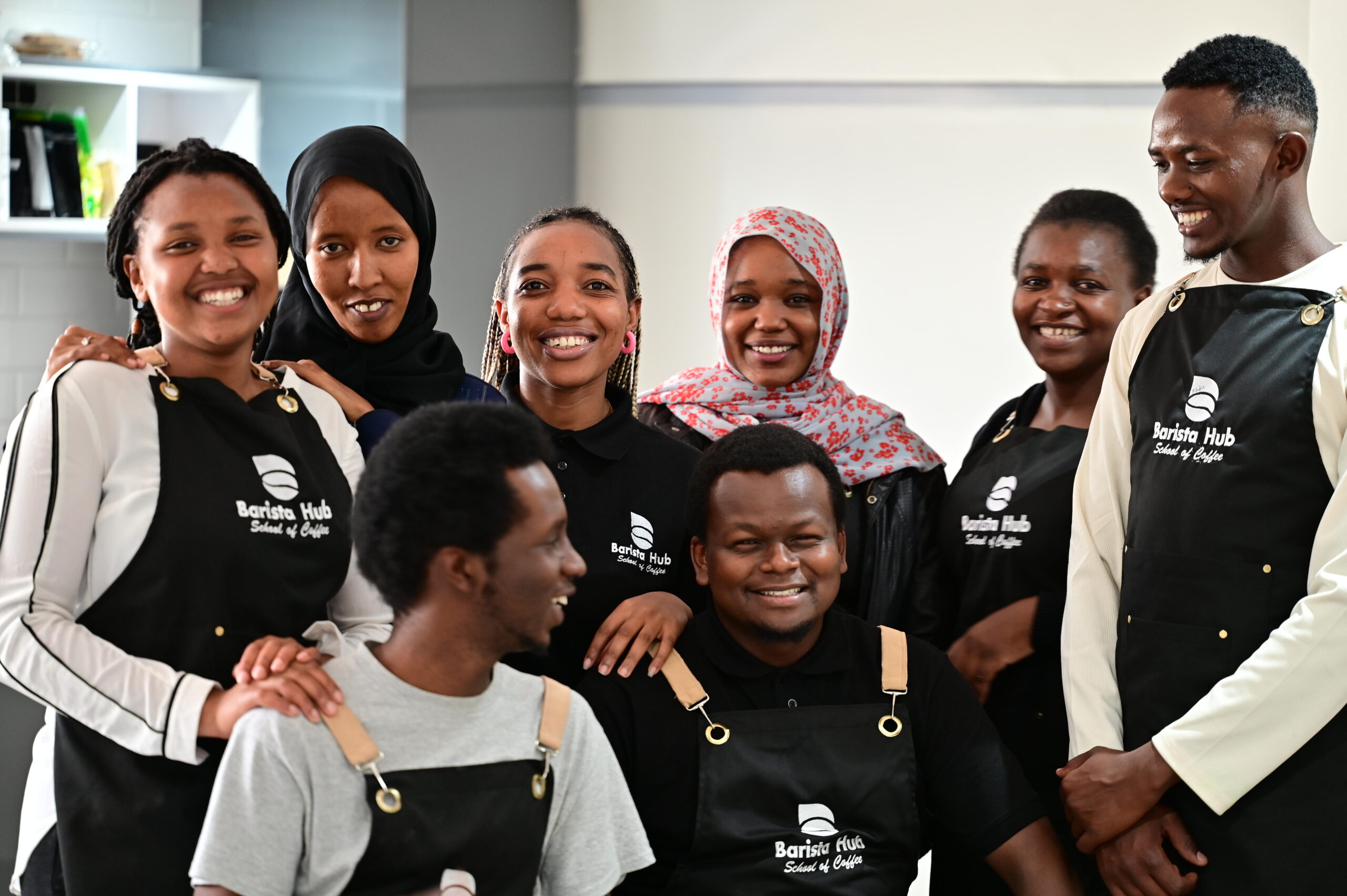
Image URL: https://baristahubke.com/wp-content/uploads/2025/12/DSC_6388-scaled.jpg
Optimized Alt Text: Professional barista training Nairobi students practicing espresso making
Suggested Image Title: Barista Training Nairobi Coffee Skills Workshop
Suggested Image Caption: Students learning professional espresso preparation during a barista training session in Nairobi.
Suggested Image Description: A professional coffee training class in Nairobi where aspiring baristas learn espresso extraction, milk steaming, and café service techniques using commercial coffee equipment.
