Barista Training Nairobi: Complete Career Guide

Barista Training Nairobi: Your Complete Guide to Becoming a Professional Barista
The coffee industry in Kenya continues to grow rapidly, creating exciting opportunities for skilled coffee professionals. If you are passionate about coffee and want to build a rewarding career, enrolling in barista training Nairobi programs can help you gain the practical skills and industry knowledge needed to succeed. From mastering espresso extraction to learning latte art and customer service, professional barista training prepares you for real-world café environments.
Nairobi has become a vibrant hub for specialty coffee culture. As a result, cafés, restaurants, hotels, and coffee houses are actively searching for trained baristas who understand coffee preparation, brewing techniques, and customer experience. Whether you are a beginner or someone looking to improve existing skills, this guide explains everything you need to know about becoming a professional barista in Nairobi.

Why Choose Barista Training in Nairobi?
Nairobi is one of East Africa’s leading coffee destinations. The city has experienced significant growth in specialty coffee shops, modern cafés, and hospitality businesses. Consequently, the demand for qualified baristas has increased dramatically over the last few years.
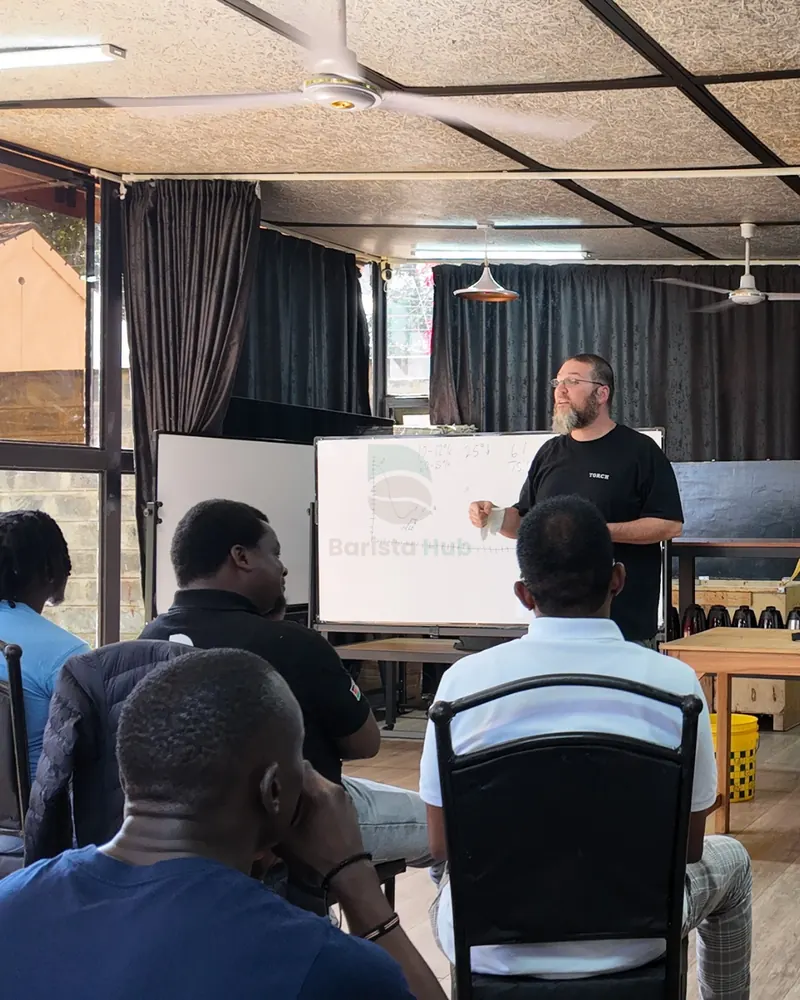
Professional barista training Nairobi programs offer hands-on learning that combines theory with practical coffee-making experience. Students learn how to operate commercial espresso machines, understand coffee beans, maintain equipment, and deliver exceptional customer service.
Benefits of Professional Barista Training
- Learn professional coffee brewing techniques
- Gain practical espresso machine experience
- Improve customer service skills
- Increase employment opportunities
- Build confidence in specialty coffee preparation
- Understand coffee bean origins and roasting
- Develop latte art and milk steaming skills
Moreover, many employers prefer hiring trained baristas because they require less onboarding and can maintain consistent beverage quality from the first day of work.
What You Learn During Barista Training Nairobi Programs
Modern barista courses cover much more than simply making coffee. A comprehensive training program focuses on technical coffee preparation, hygiene standards, customer experience, and café workflow efficiency.
Espresso Preparation Skills
Espresso serves as the foundation for many coffee beverages. Therefore, learning proper espresso extraction is essential for every aspiring barista. Students typically learn:
- Grinding coffee beans correctly
- Measuring coffee doses accurately
- Tamping techniques
- Espresso extraction timing
- Crema evaluation
- Flavor balancing
Milk Steaming and Latte Art
Milk-based drinks remain among the most popular café beverages worldwide. During training, students practice milk texturing and learn how to create attractive latte art designs such as hearts, tulips, and rosettas.
These artistic skills not only improve beverage presentation but also enhance customer satisfaction and café professionalism.
Coffee Brewing Methods
Professional baristas should understand multiple brewing methods. As specialty coffee grows in popularity, cafés increasingly offer manual brew options. Students often learn:
- French press brewing
- Pour-over coffee techniques
- AeroPress brewing
- Cold brew preparation
- Chemex coffee brewing
- Batch brewing systems
Customer Service Excellence
Technical coffee skills alone are not enough. Successful baristas also provide excellent customer experiences. Training programs teach communication skills, order handling, professionalism, and problem-solving strategies.
Who Should Enroll in Barista Training Nairobi Courses?
Professional coffee training is suitable for many different individuals. You do not need prior coffee experience to begin learning.
Beginners Interested in Coffee Careers
Many students join training programs with little or no café experience. Structured courses provide foundational skills that make entering the coffee industry easier and more professional.
Hospitality Industry Professionals
Hotel workers, restaurant staff, and hospitality professionals often enroll in coffee training to expand their expertise and improve career opportunities.
Café Owners and Entrepreneurs
If you plan to open a coffee shop, understanding professional coffee preparation is extremely valuable. Training helps entrepreneurs maintain beverage consistency, manage café operations, and understand customer expectations.
Coffee Enthusiasts
Some individuals simply enjoy learning more about coffee culture and brewing techniques. Professional training allows coffee lovers to deepen their appreciation for specialty coffee.
How to Choose the Best Barista School in Nairobi
Not all training programs provide the same quality of education. Therefore, choosing the right institution is essential for your success.
Look for Practical Hands-On Training
The best programs emphasize real-world practical sessions instead of only classroom theory. Students should spend significant time operating commercial coffee machines and practicing beverage preparation.
Check Industry Reputation
A respected training institution often has strong connections within Nairobi’s coffee and hospitality industry. Positive reviews, student success stories, and employer recommendations can indicate program quality.
Evaluate Course Content
A strong curriculum should cover:
- Espresso preparation
- Coffee brewing science
- Machine maintenance
- Milk steaming
- Customer service
- Coffee hygiene and safety
- Latte art
Consider Certification Options
Certification can strengthen your professional profile. Employers often value candidates who have completed recognized barista training courses.
Career Opportunities After Barista Training Nairobi
Completing professional training opens the door to several exciting career opportunities within the coffee and hospitality sectors.
Café Barista
Many graduates begin their careers working in cafés, coffee shops, restaurants, and hotels. This role helps build practical experience and customer interaction skills.
Head Barista
With experience, baristas can progress into leadership roles where they supervise staff, manage quality control, and oversee café operations.
Coffee Trainer
Experienced professionals sometimes become trainers who educate new baristas and coffee enthusiasts.
Coffee Shop Owner
Entrepreneurs with coffee expertise can establish independent cafés or specialty coffee businesses in Nairobi’s growing coffee market.
Importance of Specialty Coffee Knowledge
Kenya is globally recognized for producing exceptional coffee beans. Therefore, understanding coffee origins, processing methods, and flavor profiles gives baristas a competitive advantage.
Professional barista training Nairobi programs often include coffee cupping sessions where students evaluate aroma, acidity, sweetness, and body. This sensory training helps baristas recommend suitable coffee options to customers.
How Long Does Barista Training Take?
Course duration varies depending on the training institution and program level. Some beginner courses last a few days, while advanced programs may continue for several weeks.
Short intensive programs focus on foundational skills, whereas comprehensive courses include advanced brewing techniques, café management, and specialty coffee education.
Where to Find Professional Barista Courses
If you are searching for professional coffee education, explore the available training programs here:
View Professional Barista Courses
You can also contact the training team directly for course schedules, enrollment details, and customized training options:
Additional Resources for Hospitality and Travel Enthusiasts
Many aspiring baristas also explore opportunities within tourism and hospitality industries. Travel and hospitality experiences can expose professionals to international coffee cultures and service standards. You may find useful travel insights at:
Additionally, wellness and lifestyle balance remain important for hospitality professionals managing demanding schedules. Helpful wellness resources are available through:
Tips for Success as a Professional Barista
Practice Consistently
Coffee preparation is a practical skill that improves with repetition. Successful baristas continue refining their techniques every day.
Stay Updated on Coffee Trends
The specialty coffee industry evolves constantly. Following coffee trends, brewing innovations, and customer preferences helps professionals remain competitive.
Focus on Customer Experience
Great coffee matters, but excellent service creates loyal customers. Friendly communication and professionalism significantly impact café success.
Learn Equipment Maintenance
Proper maintenance ensures espresso machines and grinders function efficiently. Understanding cleaning procedures also improves beverage consistency and hygiene standards.
Frequently Asked Questions About Barista Training Nairobi
1. What is the best barista training Nairobi program for beginners?
The best beginner program combines practical coffee preparation, espresso training, milk steaming, and customer service skills. Hands-on experience is especially important for beginners entering the coffee industry.
2. How much does barista training cost in Nairobi?
Training costs vary depending on course duration, certification level, and institution reputation. Some introductory programs are affordable, while advanced specialty coffee courses may cost more.
3. Can I get a job after completing barista training Nairobi courses?
Yes. Many cafés, hotels, restaurants, and coffee shops prefer hiring trained baristas because they already understand professional coffee preparation and customer service.
4. Do I need previous experience to join a barista course?
No previous experience is necessary for most beginner-level programs. Training institutions usually teach foundational coffee skills from the beginning.
5. How long does it take to become a skilled barista?
Basic coffee skills can develop within a few weeks of training and practice. However, mastering advanced techniques such as latte art and specialty brewing often requires ongoing experience.
6. Is barista work a good career in Kenya?
Yes. Kenya’s growing coffee culture and expanding hospitality sector continue creating opportunities for trained coffee professionals across Nairobi and other major cities.
Conclusion
The coffee industry offers exciting career opportunities for passionate individuals willing to learn professional coffee preparation skills. Enrolling in barista training Nairobi programs helps students gain practical experience, improve employability, and develop confidence in specialty coffee service.
Whether you want to work in a café, start your own coffee business, or simply deepen your coffee knowledge, professional training provides the foundation needed for long-term success. Nairobi’s thriving coffee culture makes this an excellent time to pursue a rewarding career in the specialty coffee industry.
Call to Action
Ready to begin your journey in the coffee industry? Explore professional coffee courses designed to help you master espresso preparation, latte art, brewing techniques, and customer service skills. Visit the official training page today and take the first step toward becoming a professional barista in Nairobi.
Start Your Barista Training Journey Today
Recommended Schema Types
- Article Schema
- FAQ Schema
- Local Business Schema
- Course Schema
- Breadcrumb Schema
- ImageObject Schema
- Organization Schema
Train with Barista Hub School of Coffee. NITA-certified barista courses in Westlands, Nairobi: Professional Barista Course (KSh 52,000), Latte Art Mastery (KSh 10,000) and Professional Roasting Course (KSh 75,000). Apply now or WhatsApp 0710 793 263.