
Coffee is more than a drink in Nairobi. It is a growing industry with real career potential. Because of this, more people now search for a good coffee school in Nairobi before starting their journey. This guide explains what a strong coffee education looks like and why it matters.
Some people only want espresso skills. However, a true coffee school teaches much more than that. Therefore, understanding the full picture helps you choose a program that fits your goals.
A complete coffee school covers the whole journey. This includes the farm, the roast, and the final cup. In addition, it covers business skills for those who dream of opening a cafe someday. As a result, graduates leave with knowledge that goes far beyond making a single drink.
Students learn where coffee comes from and why origin matters. Kenyan beans, for example, carry distinct bright and fruity flavors. Understanding these differences helps learners choose and brew coffee with real confidence.
Some programs introduce basic roasting concepts. This training explains how heat changes flavor, acidity, and body. Even a short introduction to roasting deepens a student’s overall coffee knowledge.
A strong coffee school also teaches manual brewing. Students explore pour-over, French press, and cold brew techniques. This helps learners understand coffee from multiple angles, not just one machine.
Of course, espresso remains central to most programs. Learners practice shot timing, tamping, and milk steaming. This training builds the foundation needed for cafe work.
Image: 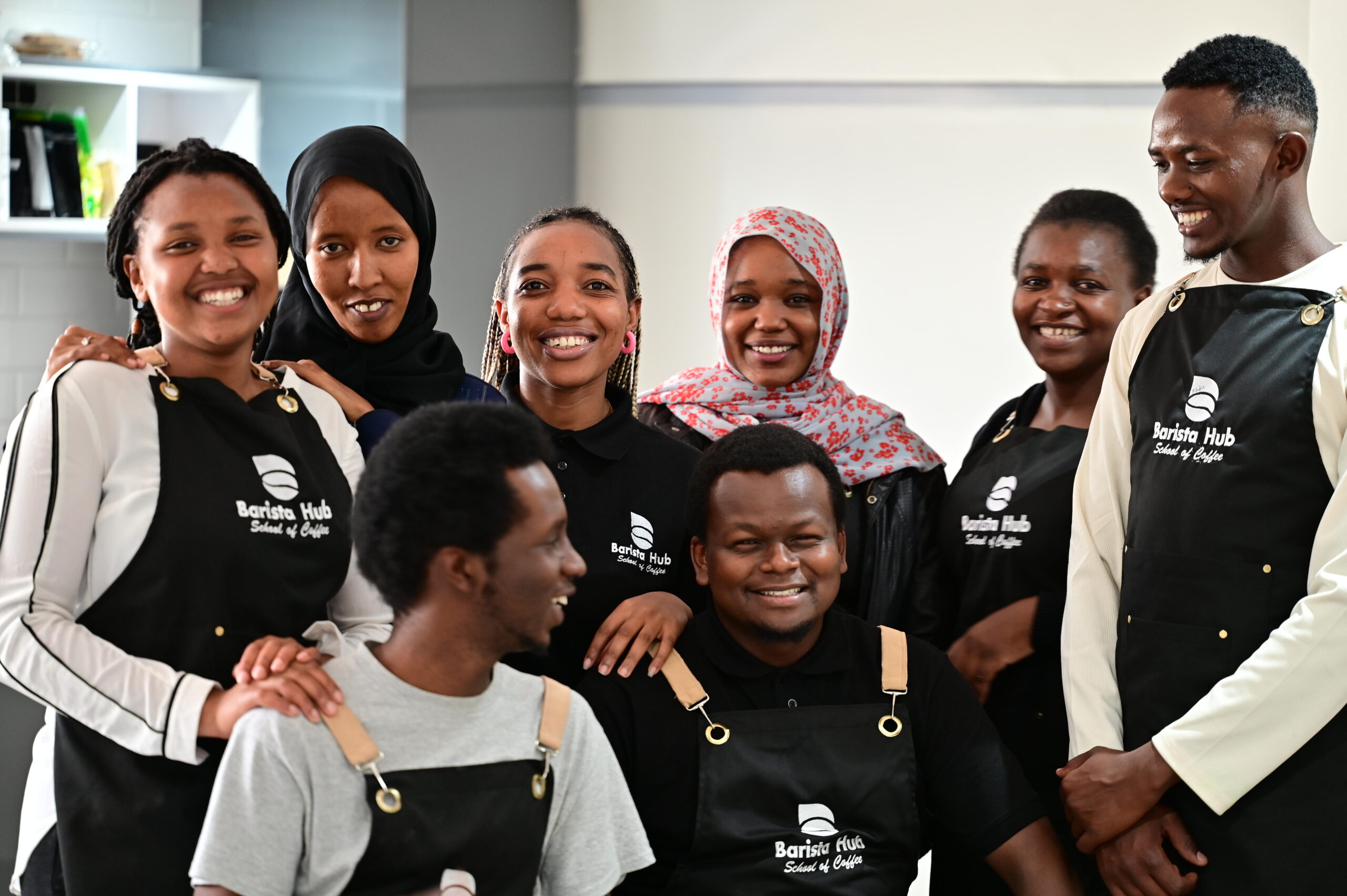
Coffee schools attract different types of learners. First, some students want to become professional baristas. Second, others hope to open their own cafe one day. Finally, many people simply love coffee and want to understand it better.
Because the audience is diverse, good schools design flexible programs. This helps every student find real value, regardless of their end goal.
Graduates leave with options. Many find jobs in cafes, hotels, and restaurants across Nairobi. In addition, some use their training to start small coffee businesses of their own. Because Kenya’s coffee culture keeps growing, opportunities continue to expand each year.
Some graduates also explore hospitality careers connected to travel and tourism. For those interested in combining coffee skills with travel opportunities, resources like Spot On Vacations can help with planning trips linked to hospitality work abroad.
On the other hand, many learners prefer to build a steady career close to home. Either path benefits from a strong foundation in coffee knowledge.
Coffee training can involve long, active days on your feet. As a result, students should pay attention to their health throughout the course. Good rest and balance help learners stay sharp and focused. For those planning families alongside their studies, trusted resources such as Nur Fertility offer helpful guidance on reproductive health.
Choosing a school becomes easier with the right checklist. Consider these points before you commit to a program.
Make sure the course covers more than just espresso. A broader curriculum builds more well-rounded knowledge and better long-term value.
Hands-on hours matter more than lecture time. Ask how much of the course involves real machines, beans, and brewing tools.
Instructors with real industry experience teach lessons that textbooks cannot. Their guidance often makes the biggest difference in how fast students improve.
If you want a program that covers the full coffee journey, browse the available coffee and barista courses and find the right fit for your goals.
Barista Hub Kenya blends practical barista training with broader coffee education. Trainers bring real, hands-on industry experience. In addition, class sizes stay small so every student gets close attention. Learners work directly with beans, machines, and brewing tools throughout the program.
Furthermore, the school keeps its lessons aligned with current coffee industry trends. This ensures every graduate understands both the craft and the business side of coffee.
It teaches coffee origins, roasting basics, brewing methods, and espresso skills. Many programs also cover customer service and small business basics.
Most beginner programs run for a few weeks. However, exact timelines depend on how deep the curriculum goes.
No experience is required. Programs welcome total beginners as well as coffee lovers wanting to deepen their knowledge.
Yes. Most programs award a certificate that confirms your coffee knowledge and practical skills.
Yes. Many graduates use their training as a foundation for opening cafes or coffee-related ventures.
A strong coffee education builds knowledge, skill, and confidence. Nairobi offers rich opportunities for anyone serious about coffee. Therefore, choosing the right coffee school in Nairobi is a valuable step, whether you want a job, a business, or simply deeper coffee knowledge.
Ready to begin? Explore the available courses today, or contact the team with any questions before you enroll.
Enroll now at Barista Hub Kenya and turn your love of coffee into real, lasting skill. Spaces fill quickly, so reach out today.
