
Coffee shops across Kenya want staff who already know their craft. Because of this, more learners now search for certified barista training Kenya programs before they apply for jobs. This guide breaks down what certification really means and why it matters for your career.
A certificate alone does not guarantee skill. However, the right program combines real practice with formal recognition. Therefore, choosing a proper course makes all the difference between a paper qualification and true job readiness.
Certification programs teach far more than pouring coffee. Learners build a full toolkit of practical skills. For example, students study espresso extraction, milk texturing, and machine maintenance. In addition, they learn customer service standards used across the hospitality industry.
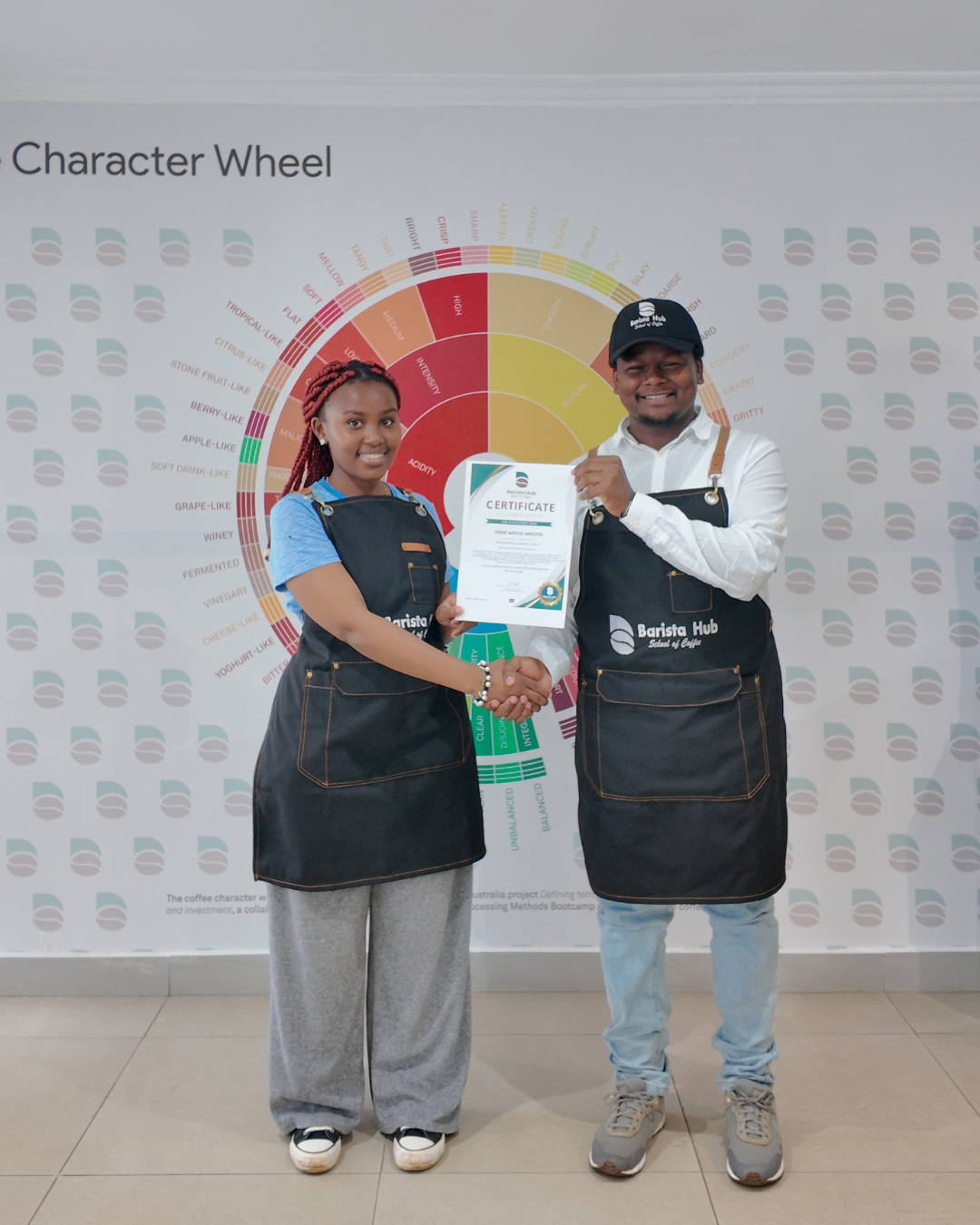
Good programs also test students before awarding a certificate. This step matters. As a result, employers can trust that a certified graduate actually has the skills listed on paper.
Kenya’s coffee industry keeps growing every year. New cafes open regularly in cities like Nairobi, Mombasa, and Kisumu. Because competition for good jobs is rising, a certificate helps candidates stand out. It also builds trust with employers who cannot watch every applicant work firsthand.
Moreover, certification often opens doors beyond local cafes. Some graduates move into hotel chains or international coffee brands. Others use their qualification to start their own coffee businesses.
These skills apply directly to real shifts. For instance, a busy cafe needs staff who work quickly without sacrificing taste or presentation. Learners who master these basics adapt faster on the job.
Image: 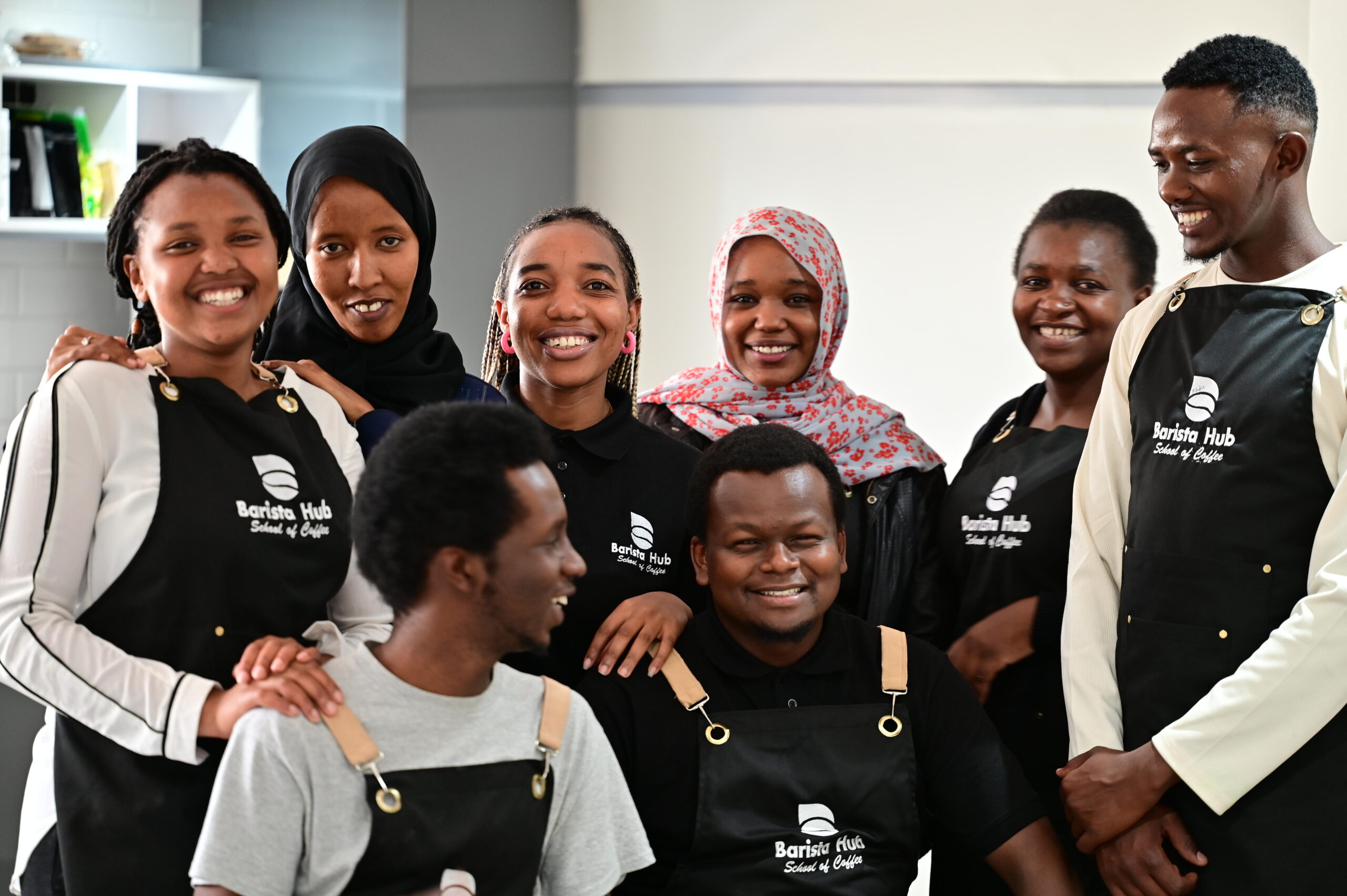
Most programs follow a clear structure. First, students learn the theory behind coffee brewing and equipment. Second, they move into hands-on practice with real machines. Finally, learners complete an assessment to earn their certificate.
Students start with the basics of coffee science. This includes bean origins, roast profiles, and extraction principles. A solid foundation makes practical training easier to absorb.
Trainees then move to the machines. This training focuses on real repetition. Learners pull shots, steam milk, and practice latte art until movements feel natural.
At the end, students are tested on speed, accuracy, and presentation. It helps ensure every graduate meets a consistent skill standard before receiving their certificate.
A recognized certificate opens several paths. Cafes and hotels across Kenya actively look for trained staff. In addition, some graduates use their certification to work in the tourism and hospitality sector, including roles connected to travel services. For learners interested in combining hospitality skills with travel opportunities, platforms like Spot On Vacations offer useful planning resources for those exploring work beyond Kenya’s borders.
On the other hand, many graduates choose to build local careers instead. Either way, a strong certificate gives learners more options to choose from.
Intensive training schedules can be tiring. As a result, students should not neglect their health during the course. Staying well-rested and balanced helps learners absorb new skills faster. For those also planning families while building a career, trusted resources such as Nur Fertility offer helpful guidance on reproductive health and family planning.
Not every program offers real value. A few checks can help you avoid weak courses.
Ask whether local cafes and hotels accept the certificate. A recognized qualification carries far more weight than an unknown one.
More hands-on time builds stronger skills. Confirm exactly how many hours involve real machine practice, not just lectures.
Experienced trainers teach skills that only come from years of real coffee work. This experience often makes the biggest difference in learning speed.
If you are ready to compare options, browse the available barista courses and find the program that fits your goals.
Barista Hub Kenya combines practical training with recognized certification. Trainers bring genuine, real-world coffee experience. In addition, class sizes stay small so every student gets personal feedback. Students train on professional equipment throughout the course, not just during short demonstrations.
Furthermore, the curriculum stays aligned with current industry expectations. This ensures graduates leave fully prepared for real cafe environments across Kenya.
It is a structured coffee training program that ends with a recognized certificate. It proves a graduate has mastered espresso, milk work, and customer service skills.
Most programs run for a few weeks. However, exact timelines depend on the course intensity and schedule chosen.
No experience is needed. Programs welcome complete beginners along with those upgrading existing barista skills.
Yes, as long as the program is reputable. Reputable schools build strong relationships with local employers who trust their graduates.
Yes. Many hospitality and coffee roles overseas value certified training, especially when paired with strong practical skills.
A recognized certificate can open real doors in Kenya’s coffee industry. Strong training builds both skill and confidence. Therefore, enrolling in a certified barista training Kenya program is one of the smartest steps you can take toward a lasting coffee career.
Ready to get started? Explore the available courses today, or contact the team with any questions before you enroll.
Enroll now at Barista Hub Kenya and turn your passion for coffee into a certified, career-ready skill. Spaces fill quickly, so reach out today.
