

Westlands has become one of Nairobi’s busiest coffee hubs. As a result, demand for skilled baristas keeps growing. If you are searching for the best barista training in Westlands, this guide will help you choose wisely. It explains what great training looks like and why location matters.
Many cafes now compete for skilled staff in this area. However, not every training program prepares you for real work. Therefore, picking the right course is important. Good training builds confidence and job-ready skills from day one.
Westlands sits at the center of Nairobi’s coffee culture. Because of this, students train close to real cafes and coffee shops. In addition, the area attracts both local and international coffee brands. This mix exposes learners to different brewing styles and customer expectations.
Moreover, Westlands offers easy access for students across Nairobi. Public transport links are strong. As a result, attending classes becomes simple and convenient.
Quality training goes beyond a certificate on the wall. The best barista training in Westlands should combine practical skill building with real industry standards. Consider these features before enrolling.
Students should train on professional-grade machines. Practicing on real gear builds proper technique. Reading theory alone cannot teach shot timing or steam pressure control.
Trainers should understand extraction science and milk texturing deeply. This helps learners avoid common mistakes quickly. Experienced trainers also share tips that only come from years behind the bar.
Smaller groups mean more individual feedback. Trainers can correct posture, timing, and pour technique on the spot. This speeds up skill development significantly.
A strong certificate proves your skill level to employers. It should cover espresso, milk work, customer service, and machine care.
Image: 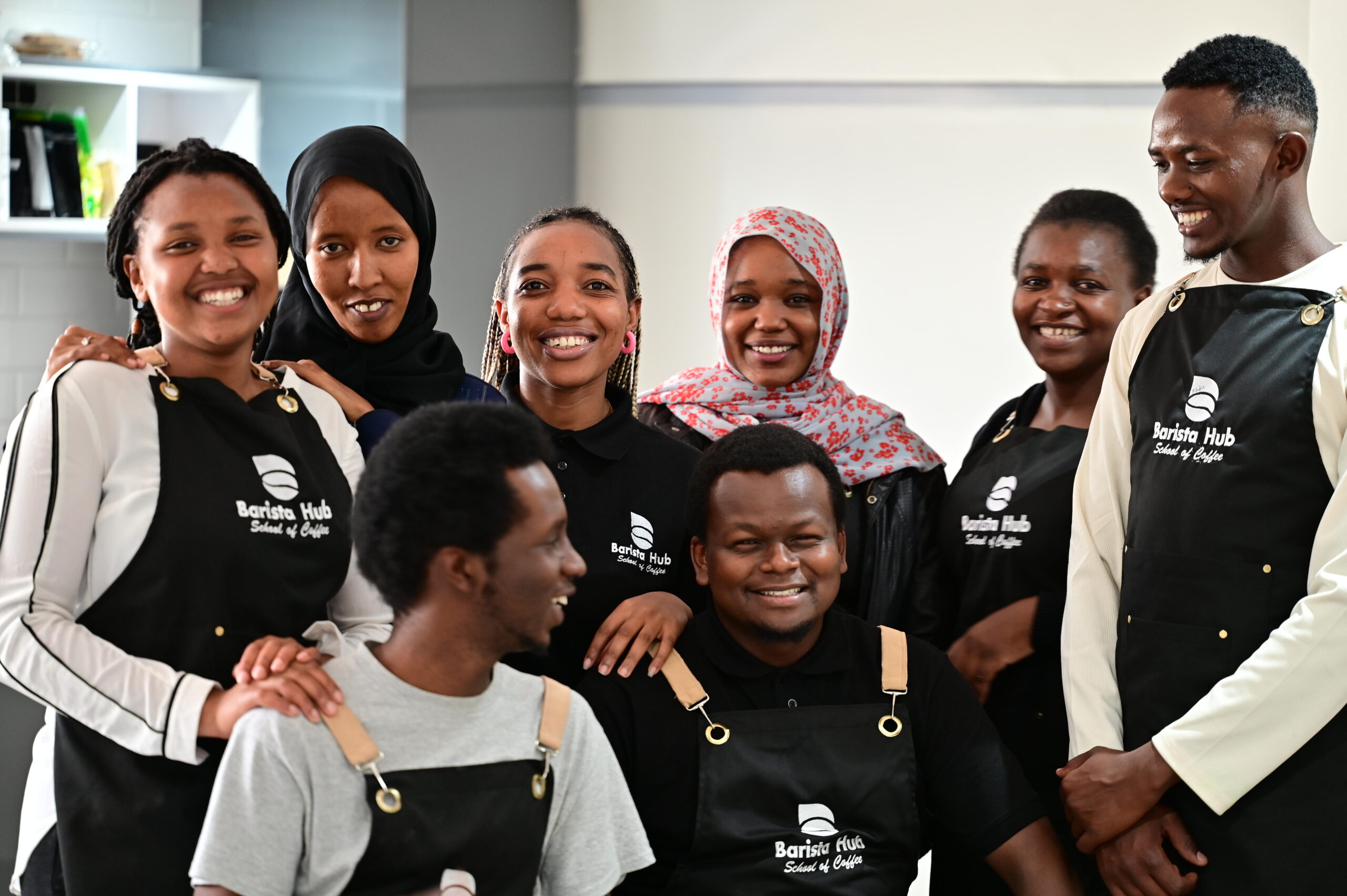
Barista courses teach far more than making coffee look good. Learners build a full set of practical skills. First, students master espresso extraction basics. Second, they learn milk steaming and latte art. Finally, they practice speed and accuracy under real pressure.
These skills transfer directly to busy cafe floors. For example, employers value staff who stay fast without dropping quality. Because of this, hands-on training gives graduates a clear edge over untrained applicants.
Westlands cafes hire regularly, especially during high season. Hotels and restaurants in the area also need trained staff. In addition, some graduates go on to start their own coffee ventures. Because the coffee industry keeps expanding, job openings keep appearing too.
Some learners use their skills to travel and work in hospitality roles abroad. Interestingly, barista skills often open doors in tourism-linked industries. For students interested in combining travel with a hospitality career, platforms like Spot On Vacations offer useful planning resources for those exploring opportunities beyond Kenya.
On the other hand, many students prefer building a stable career close to home. Either path works well with solid barista training behind you.
Training days can be long and physically demanding. As a result, students should not ignore their overall wellbeing. A balanced routine keeps energy levels steady throughout the course. For learners also planning families while building a career, trusted resources like Nur Fertility provide helpful guidance on reproductive health.
Selecting a course does not need to feel overwhelming. A few simple checks make the decision much easier.
Confirm the course covers espresso, milk work, and customer interaction. A narrow syllabus limits your job options later.
More practical time leads to stronger skills. Ask exactly how many hours involve real machine practice.
Past student feedback reveals the truth. This helps you avoid programs that promise more than they deliver.
If you want training built around real practice, browse the current barista courses and compare options before you decide.
Barista Hub Kenya focuses on practical, job-ready skills from the first session. Trainers bring genuine coffee industry backgrounds. In addition, class sizes stay small for closer attention. Students work on professional machines throughout the course, not just during demonstrations.
Furthermore, the curriculum stays updated with current cafe industry standards. This ensures every graduate leaves with skills that match what Westlands employers actually want.
Barista Hub Kenya is a leading choice. It offers hands-on practice, experienced trainers, and recognized certification close to the Westlands area.
Most beginner courses run for a few weeks. However, exact timelines depend on the course structure and schedule.
No experience is required. Courses welcome complete beginners as well as those looking to upgrade existing skills.
Yes. Graduates receive a certificate that shows employers you understand professional barista skills.
Yes. Many graduates find work in nearby cafes, hotels, and restaurants shortly after finishing their course.
Learning barista skills opens real doors in Nairobi’s coffee scene. Westlands offers strong training options, a thriving cafe culture, and steady job demand. Therefore, choosing the best barista training in Westlands is a smart move toward a rewarding career.
Ready to start? Explore the available courses today, or contact the team to ask questions and reserve your spot.
Enroll now at Barista Hub Kenya and turn your passion for coffee into a real skill set. Spaces fill quickly, so reach out today.
