

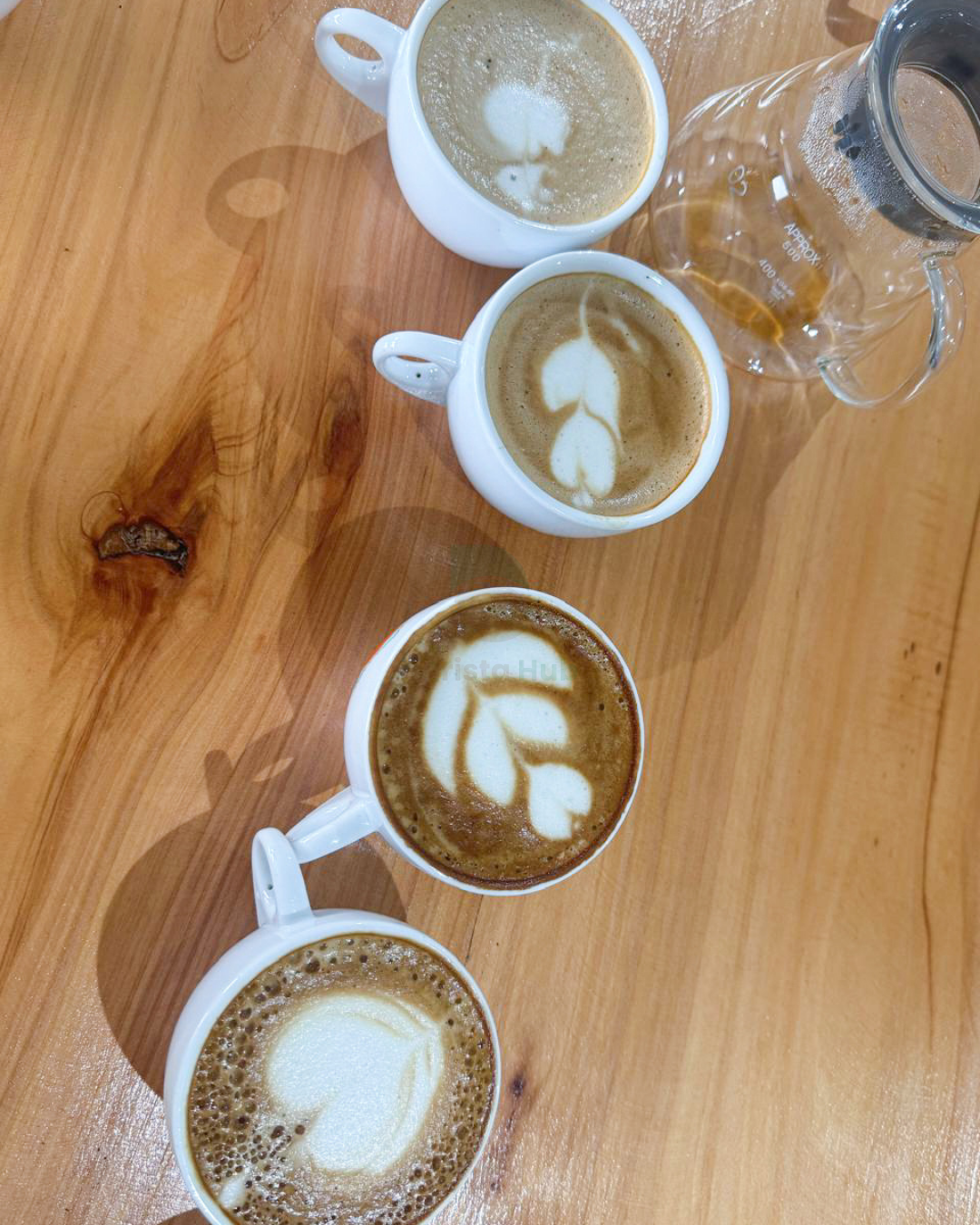
Coffee Brewing Methods: Find Your Perfect Cup
Choosing the right coffee brewing methods changes taste and consistency fast. For example, pour-over brings clarity while French press adds body. Moreover knowing basic steps helps you brew reliably at home or in a café. Therefore this guide explains top methods, equipment, and simple recipes.
What are common Coffee Brewing Methods?
Coffee brewing methods are ways to extract flavor from ground coffee. First, each method uses a mix of grind size, water temperature, and time. Second, tools and technique shape the final cup. In addition some methods suit clarity while others favour body and texture.
Key variables that matter
- Grind size — finer for espresso, coarser for French press.
- Water temperature — typically 90–96°C for most methods.
- Brewing time — short for espresso, longer for immersion methods.
- Ratio — coffee to water defines strength and extraction.
Pour-over (V60, Chemex)
Pour-over gives clean, bright cups with defined acidity. First, use a medium-fine grind and a 1:15–1:17 ratio. Second, bloom grounds with a small pour, then continue in slow circles. Moreover filter choice affects body and oils.
Quick pour-over steps
- Rinse filter and preheat dripper.
- Add coffee, pour 2x the weight in water to bloom.
- Pause 30 seconds, then pour slowly to desired volume.
French Press (Immersion)
French press delivers full-bodied coffee with heavier mouthfeel. For example, use a coarse grind and 4-minute steep. In addition plunging slowly reduces grit. Therefore use a 1:12–1:15 ratio for balanced strength.
French press tips
- Use even coarse grind to avoid over-extraction.
- Stir gently after bloom and cover while steeping.
- Plunge slowly and decant to prevent bitterness.
AeroPress
AeroPress is versatile and quick for single cups. First, it works both as immersion and pressure brewer. Second, you can use fine to medium grind and short brew times. Moreover it’s travel-friendly and forgiving for beginners.
AeroPress recipe example
- Use 14–18g coffee, 200ml water at 92°C.
- Brew 1–2 minutes, then press slowly.
- Adjust grind and time to refine flavor.
Espresso (Machine)
Espresso extracts concentrated flavor quickly with pressure. For example, use a fine grind and 18–30 second shot time. In addition consistent tamping and good distribution are crucial. Because of this, machine setup and grinder quality matter most.
Espresso basics
- Dose precisely and distribute grounds evenly.
- Tamp with consistent pressure for uniform extraction.
- Adjust grind to hit shot time and yield targets.
Cold Brew
Cold brew uses long immersion in cold water to create smooth, low-acidity coffee. First, steep coarsely ground coffee for 12–24 hours. Second, filter and dilute to taste. Moreover it stores well in the fridge for several days.
Cold brew steps
- Combine coarse grounds with cold water (1:4 concentrate).
- Steep 12–24 hours, then filter through cloth or paper.
- Dilute concentrate 1:1 with water or milk when serving.
Comparison: Which method suits you?
Choose by flavor goals and convenience. For example, use pour-over for clean clarity. On the other hand, pick French press for bold texture. Moreover espresso fits cafes and quick service needs.
Quick guide
- Clarity and acidity: Pour-over, Aeropress.
- Body and texture: French press.
- Concentration and speed: Espresso.
- Low acidity and batch prep: Cold brew.
Equipment and grind recommendations
Good equipment improves consistency and control. For example, a burr grinder beats blade grinders for even extraction. In addition a scale and thermometer boost repeatability. Therefore invest in basics first, then upgrade gradually.
Starter equipment checklist
- Burr grinder for uniform particle size.
- Scale with 0.1g accuracy for consistent ratios.
- Gooseneck kettle for controlled pours (pour-over).
- Quality filters and a reliable brewer of choice.
Brewing ratios and tuning
Use simple ratios to start and tweak by taste. First, try 1:15 for pour-over and 1:12 for French press. Second, adjust grind or time if coffee tastes sour or bitter. Moreover keep notes to track changes and improvements.
Common troubleshooting
- Sour taste: grind finer or increase brew time.
- Bitter taste: grind coarser or shorten brew time.
- Watery cup: increase coffee dose or reduce grind size.
Image: Brewing demonstration
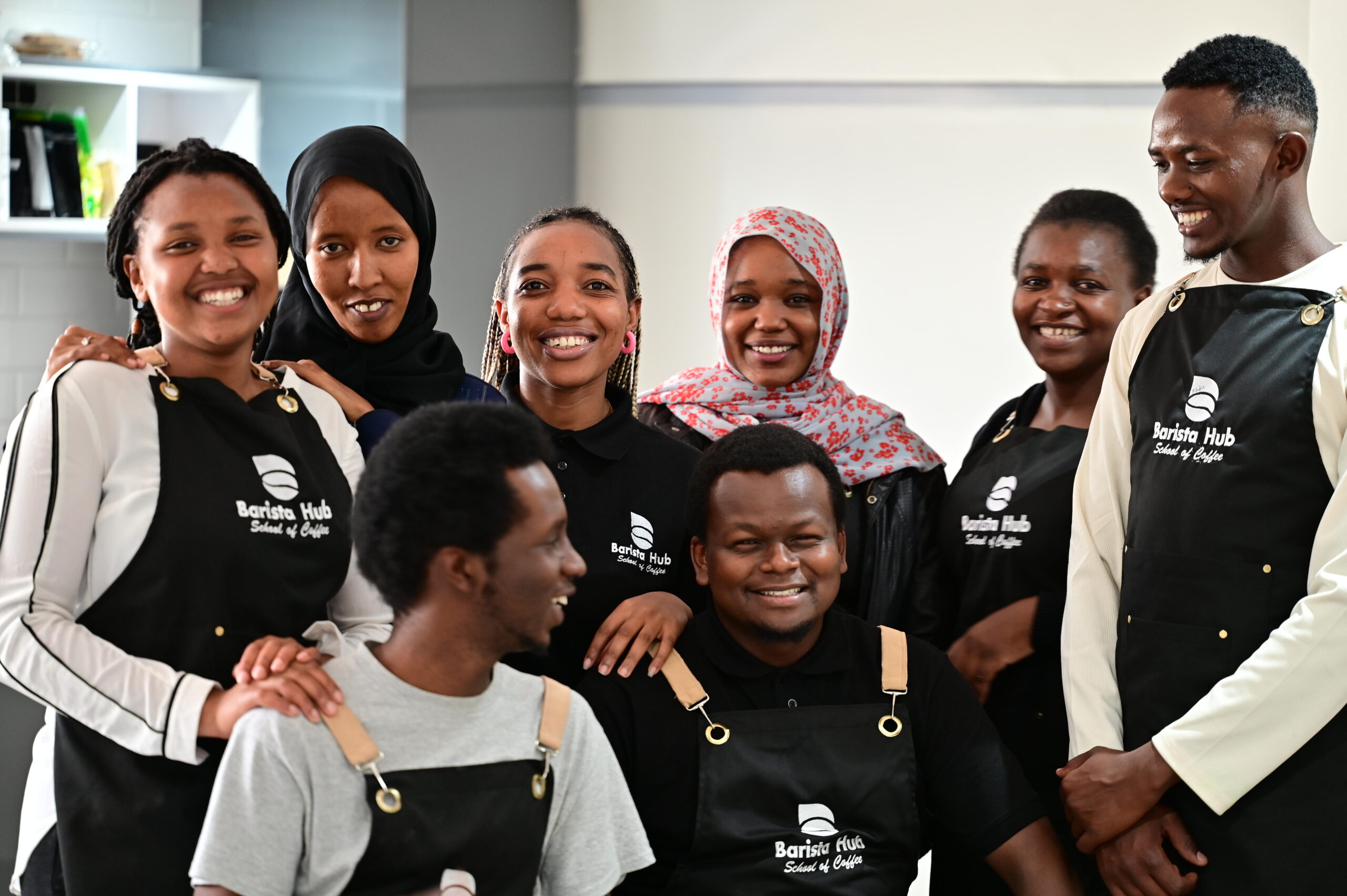
Caption: Demonstration of coffee brewing methods, showing pour-over setup, French press, and espresso extraction techniques.
Image description: Barista demonstrating several brewing methods with equipment on a counter; focus on pour technique, grind size, and extraction visuals to teach brewing methods.
FAQ — People Also Ask
Which coffee brewing method makes the best coffee?
There is no single best method. For example, pour-over highlights clarity while French press emphasises body. Therefore choose a method that matches your taste preferences and time.
What grind size for each brewing method?
Use fine grind for espresso, medium-fine for pour-over, coarse for French press, and very coarse for cold brew. In addition AeroPress accepts a range from fine to medium depending on recipe.
How important is water temperature?
Water temperature strongly affects extraction. For example, 90–96°C works well for most hot brews. Moreover cooler water under-extracts and hotter water can cause bitterness.
Can I brew great coffee at home?
Yes. With a consistent grind, correct ratio, and practice you can make excellent coffee at home. In addition simple equipment and a scale improve repeatability fast.
Related resources
Learn practical skills with our barista courses and workshops at https://baristahubke.com/courses/. In addition contact our team for course recommendations: https://baristahubke.com/contact/.
For hospitality and travel context see SpotOn Vacations for industry trends: https://spotonvacations.com/. In addition, workplace wellbeing resources may be useful; explore NUR Fertility for health support: https://nurfertility.com/.
Conclusion
Understanding coffee brewing methods lets you control flavor and consistency. Moreover experimenting with grind, ratio, and time improves results quickly. Therefore pick a method, practise regularly, and record changes to perfect your cup.
Ready to learn more? Strong CTA
Want hands-on guidance with coffee brewing methods? Explore our courses and master practical skills fast. In addition contact us for tailored workshops and group bookings.
