

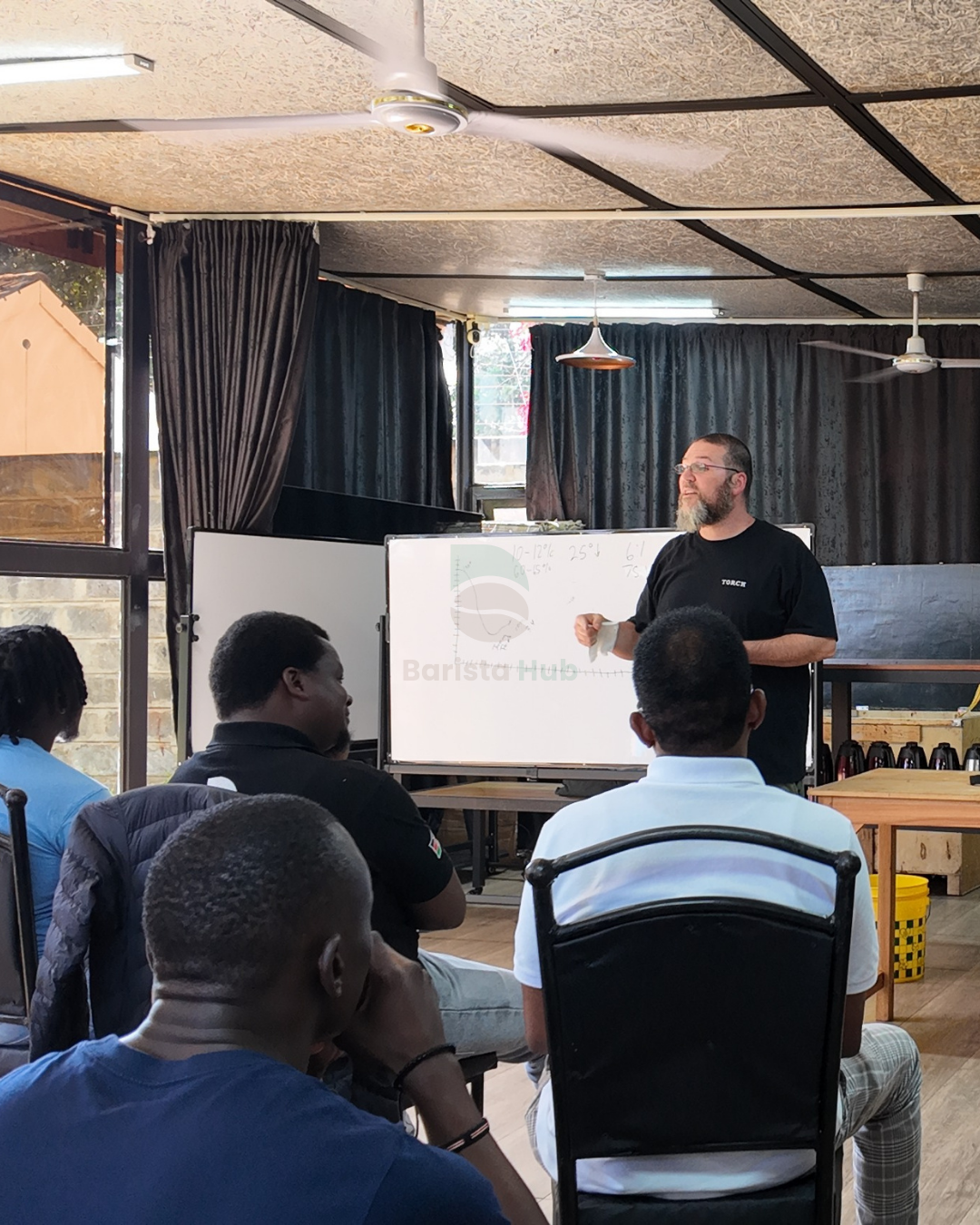
If you want practical coffee skills, hands-on coffee training Kenya programs offer the best way to learn. Many students prefer practical lessons because they build confidence faster. Therefore, hands-on training has become a popular choice for future baristas and coffee professionals.
Kenya has a strong coffee culture and a growing hospitality industry. As a result, employers look for people who can prepare quality coffee and deliver excellent customer service. Practical coffee education helps learners gain these valuable skills.
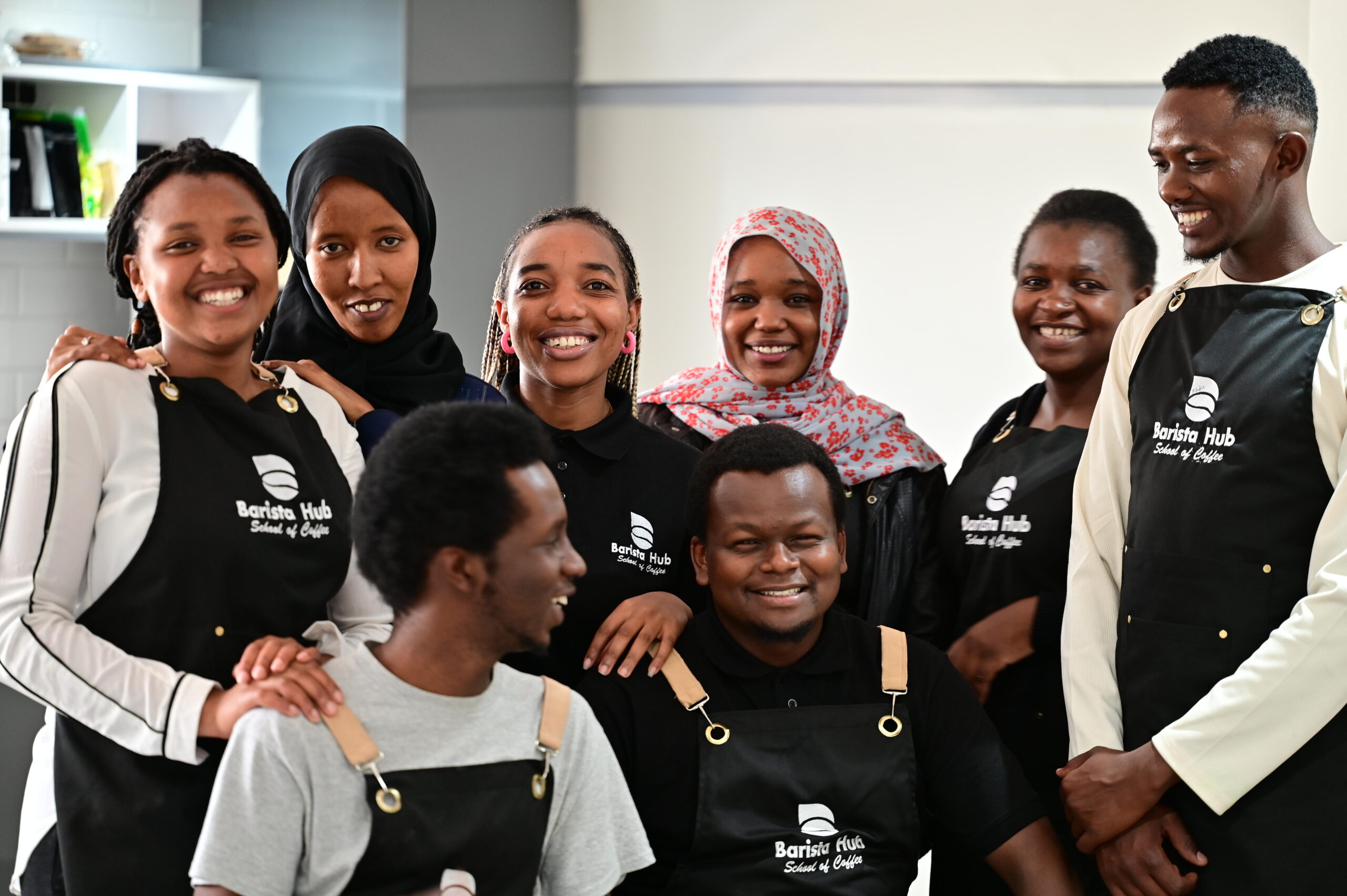
Practical learning helps students develop real workplace abilities. Moreover, learners gain experience by working directly with professional coffee equipment.
Many employers value experience as much as theory. Therefore, students who practice regularly often feel more prepared for coffee industry roles.
Reading about coffee is helpful. However, making coffee yourself creates a deeper understanding. Students handle grinders, espresso machines, and milk pitchers during training sessions.
Confidence comes through repetition. Because of this, practical lessons help learners improve their skills faster and reduce mistakes.
A quality coffee course covers important areas of beverage preparation. In addition, students learn customer service and workplace professionalism.
Espresso forms the base of many coffee drinks. Therefore, students learn grinding, dosing, tamping, and extraction techniques.
Milk quality affects beverage taste and appearance. Moreover, learners practice creating smooth microfoam for specialty coffee drinks.
Great coffee alone is not enough. As a result, students also learn communication skills that improve customer experiences.
Coffee education benefits many different people. Furthermore, programs welcome both beginners and experienced hospitality workers.
Some learners join to improve their careers. On the other hand, others simply want to master coffee preparation techniques.
The coffee sector continues to expand across Kenya. Therefore, skilled baristas can find opportunities in several industries.
Many coffee businesses seek trained professionals. Moreover, employers prefer candidates who understand coffee preparation standards.
Hotels increasingly offer specialty coffee services. Because of this, trained baristas can access rewarding hospitality positions.
Some graduates start their own coffee ventures. As a result, they apply their practical skills to create successful businesses.
Not every course delivers the same value. Therefore, prospective students should evaluate training programs carefully.
Professional instructors provide industry insights and guidance. In addition, they help students avoid common mistakes.
Training should include professional coffee machines. For example, learners benefit from practicing with equipment used in real cafés.
Hands-on experience remains essential. Because of this, quality programs dedicate significant time to practical exercises.
Practical training provides several advantages. Moreover, students develop skills that employers actively seek.
Students often see noticeable improvement after consistent practice. Therefore, practical education remains one of the most effective learning methods.
Beginning your coffee career is straightforward. First, research available programs. Second, compare training options and schedules. Finally, enroll in a course that matches your goals.
Interested learners can explore professional training opportunities through Barista Hub Courses. Moreover, prospective students can ask questions through the Contact Page.
Coffee skills can complement careers in hospitality and tourism. For example, professionals working with organizations such as Spot On Vacations often value customer experience expertise.
Likewise, customer service and professionalism remain important across industries. Therefore, organizations such as Nur Fertility also appreciate transferable service skills.
Hands-on coffee training Kenya programs teach coffee preparation through practical experience. Students learn espresso extraction, milk steaming, latte art, coffee equipment operation, and customer service skills while working directly with professional coffee machines.
Hands-on training focuses on practical learning. Therefore, students spend significant time making coffee and using equipment.
Yes. Most courses welcome beginners and provide step-by-step instruction.
Course length varies. However, many programs run from a few days to several weeks.
Absolutely. Kenya’s hospitality and coffee sectors continue to create opportunities for skilled professionals.
Yes. Moreover, practical experience often improves employability within cafés, hotels, and restaurants.
Choosing hands-on coffee training Kenya programs gives learners practical experience, confidence, and valuable industry skills. Moreover, students gain knowledge that supports career growth and professional development. Whether you want employment in hospitality or plan to start a coffee business, practical coffee education provides a strong foundation for success.
Ready to build professional coffee expertise? Enroll in a practical training program, develop real-world skills, and prepare for exciting opportunities in Kenya’s growing coffee industry.
SEO ALT Text: hands-on coffee training Kenya students practicing espresso preparation and latte art
Image Title: Hands-On Coffee Training Kenya Workshop
Image Caption: Students gaining practical coffee preparation experience during professional barista training.
Image Description: A professional coffee training session in Kenya where students practice espresso extraction, milk steaming, latte art, and customer service skills using commercial coffee equipment.
