

Barista jobs Kenya continues to create new opportunities for young professionals and coffee lovers. Therefore, many people now join coffee training programs to improve their skills and increase employment chances.
Coffee shops, restaurants, hotels, and cafés need trained baristas every day. In addition, employers look for people who understand espresso preparation, customer service, and coffee presentation.
If you want a rewarding hospitality career, becoming a barista can be a smart choice. Moreover, professional coffee skills help learners work locally and internationally.
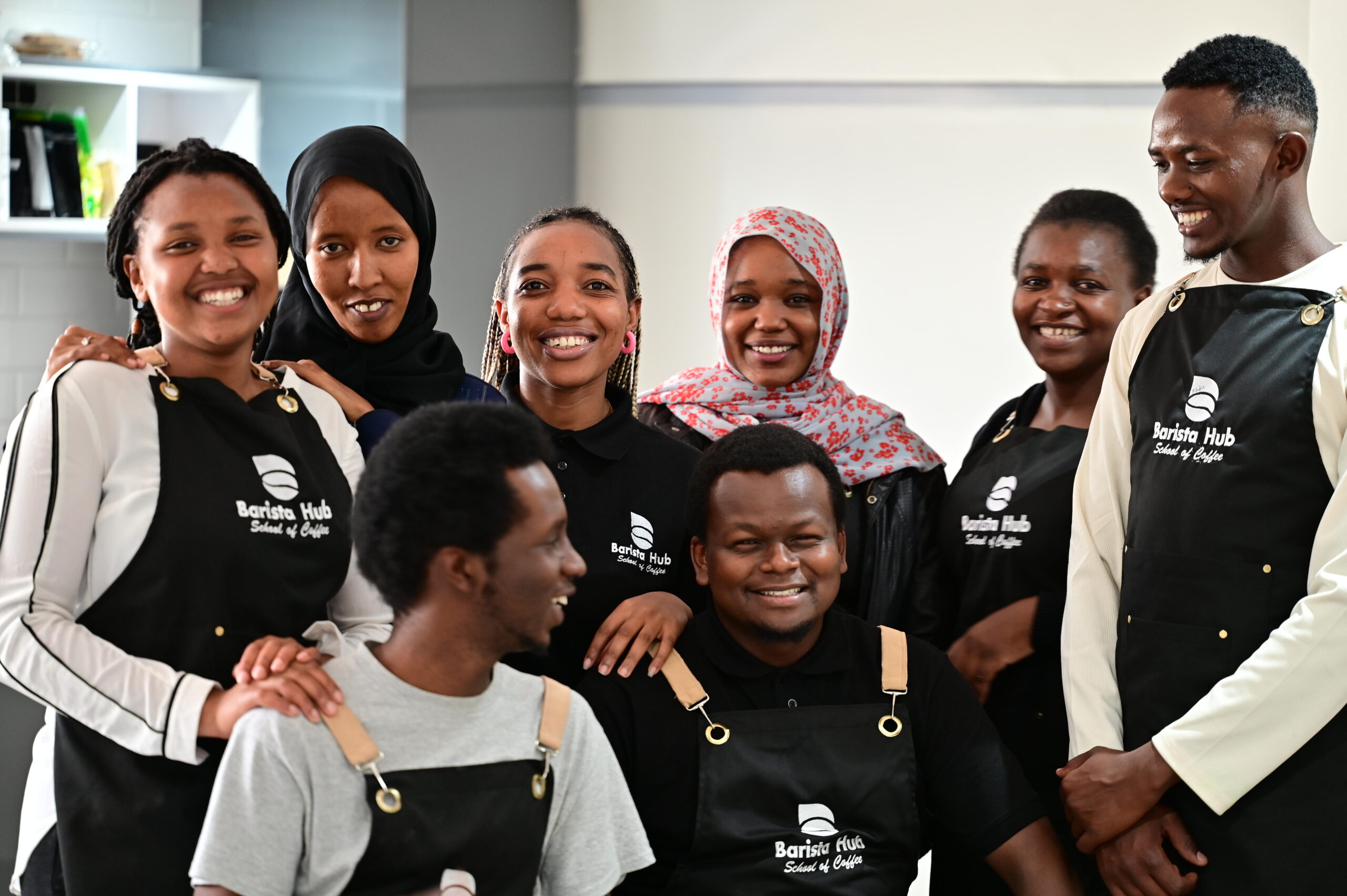
Image Caption: Students learning practical coffee preparation skills during professional barista training in Kenya.
Image Description: A hands-on coffee training session showing learners practicing espresso extraction and milk steaming for barista jobs Kenya.
Kenya has a strong coffee culture today. However, many businesses still need skilled coffee professionals. Because of this, trained baristas can find work in many hospitality spaces.
Modern cafés focus on quality coffee and customer experience. Therefore, employers prefer baristas who understand coffee preparation and café operations.
Coffee shops continue opening in major towns and cities. For example, Nairobi, Mombasa, Nakuru, and Kisumu now have many specialty cafés.
These businesses need skilled workers daily. As a result, trained baristas enjoy better job opportunities.
Hotels and restaurants now serve premium coffee drinks. In addition, customers expect professional coffee service and quality beverages.
Because of this demand, coffee skills remain valuable in the hospitality sector.
Professional baristas need practical and customer service skills. Therefore, quality training helps learners work confidently in busy coffee environments.
Espresso forms the base of many coffee drinks. Therefore, baristas must know how to grind coffee and pull balanced espresso shots.
Milk texturing improves drink quality and presentation. Moreover, latte art helps cafés attract more customers.
Students often practice:
Good customer service matters in every café. Therefore, baristas should communicate clearly and remain friendly during busy hours.
Strong service skills also help businesses retain customers. As a result, trained staff become more valuable to employers.
Most employers prefer trained candidates today. However, beginners can still start by joining professional coffee training programs.
A structured coffee course teaches practical workplace skills. In addition, learners gain confidence using espresso machines and grinders.
Professional training often includes:
You can explore professional coffee and barista programs here: https://baristahubke.com/courses/
Practice improves speed and confidence. Therefore, many students train daily before applying for jobs.
Learners who practice consistently often perform better during interviews and café trials.
Coffee professionals can work in many places today. Because of this, barista careers offer flexible opportunities across the hospitality sector.
Tourism businesses also value quality coffee experiences. For example, hospitality brands serving travelers improve guest satisfaction through premium café services. You can explore tourism and travel experiences at SpotOn Vacations.
Healthcare and wellness facilities also focus on customer comfort today. In addition, premium hospitality services support better visitor experiences in organizations like Nur Fertility.
Barista salaries depend on experience and workplace location. However, trained professionals often earn better pay than beginners.
Beginner baristas may earn between KES 20,000 and KES 35,000 monthly. Therefore, training helps learners access better opportunities faster.
Experienced coffee professionals can earn more through promotions and specialized skills. Moreover, café supervisors and trainers usually receive higher salaries.
Coffee careers offer both personal and professional growth. In addition, hospitality skills remain useful across many industries.
Competition for café jobs continues to increase. Therefore, candidates should prepare carefully before interviews.
Employers value practical experience. For example, learners who practice latte art and espresso extraction often perform better during interviews.
A clean and organized CV creates a strong first impression. Moreover, applicants should include coffee certifications and hospitality experience clearly.
Confidence helps candidates communicate better during interviews. Therefore, practical training becomes important before job applications.
Most employers prefer candidates with coffee training and customer service skills. However, beginners can start through practical courses.
Yes. Many coffee schools offer beginner-friendly training programs with practical sessions.
Salaries vary by experience and workplace. However, many beginners earn between KES 20,000 and KES 35,000 monthly.
Yes. Professional training improves confidence, technical skills, and employment opportunities.
You can join professional coffee training programs that teach espresso preparation, latte art, and café operations.
Barista jobs Kenya continue to grow as coffee culture expands across the country. Therefore, professional coffee training helps learners build strong hospitality careers.
Practical skills, customer service knowledge, and coffee expertise improve job opportunities significantly. Moreover, trained baristas can work in cafés, hotels, restaurants, and tourism businesses.
If you want to work in the coffee industry, professional training is the best first step. Therefore, join a trusted coffee school and build real-world barista skills today.
Explore available coffee and barista courses here: Barista Hub Kenya Courses
For enrollment support and inquiries: Contact Barista Hub Kenya
