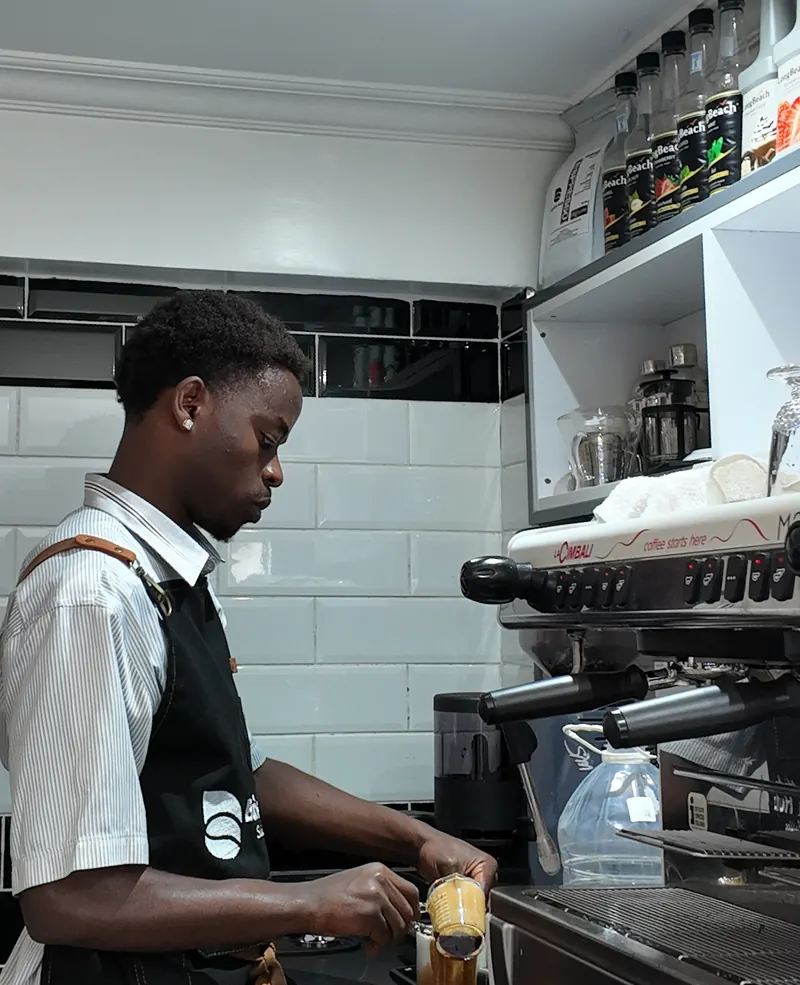
How to Start a Coffee Business in Kenya

How to Start a Coffee Business in Kenya
Kenya is internationally recognized for producing high-quality Arabica coffee, but coffee is also becoming an exciting business opportunity within the local market. From specialty coffee shops and small cafés to mobile coffee businesses, restaurants, hotels and office coffee services, entrepreneurs have several ways to build a business around coffee.
However, opening a coffee business involves much more than buying an espresso machine and finding a suitable location. A successful café requires practical barista skills, consistent coffee quality, good customer service, effective cost management, the right equipment and a clear understanding of the target market.
If you are considering starting a coffee business in Kenya, this guide explains the major areas to consider before investing your money and time.
Why Start a Coffee Business in Kenya?
Coffee culture continues to develop across Kenya, particularly in Nairobi and other major urban centres. Customers are increasingly interested in specialty coffee, quality brewing methods, attractive café environments and professionally prepared beverages.
This creates opportunities for entrepreneurs who can combine good coffee with excellent customer experiences. A modern coffee business can serve different markets, including office workers, students, tourists, professionals, families and coffee enthusiasts.
The opportunity is not limited to traditional cafés either. Entrepreneurs can explore coffee carts, takeaway concepts, corporate coffee services, coffee roasting, training, online coffee sales and events.
Develop Professional Barista Skills First
One of the most important foundations of a successful coffee business is technical knowledge. Even if you plan to hire professional baristas, understanding coffee preparation will help you manage quality and train your team effectively.
A professional barista should understand espresso extraction, grinding, dosing, tamping, milk texturing, latte art, manual brewing and coffee quality. These skills help ensure that customers receive consistent drinks every time they visit.
What Should a Barista Learn?
A comprehensive barista education should cover both practical skills and coffee theory. Important areas include:
- Coffee origins and processing methods
- Roasting levels and flavour development
- Espresso preparation and extraction
- Grinding and dose control
- Milk steaming and texturing
- Latte art and beverage presentation
- Manual brewing methods
- Coffee cupping and sensory evaluation
- Equipment cleaning and maintenance
- Café workflow and customer service
- Basic coffee business management
Barista Hub KE, for example, offers practical professional barista training covering coffee fundamentals, espresso preparation, milk texturing, brewing methods, cupping, café workflow, equipment care and introductory coffee business concepts. Its professional barista course is designed for aspiring baristas, café employees and people interested in building deeper specialty coffee knowledge.
Choose the Right Coffee Business Model
Before renting premises or purchasing equipment, decide what type of coffee business you want to build. Your business model will determine your investment, staffing requirements, equipment and marketing strategy.
Specialty Coffee Café
A specialty coffee café focuses on quality beans, professional preparation and a strong customer experience. The business may offer espresso-based drinks, filter coffee, pastries, snacks and other complementary products.
Small Takeaway Coffee Shop
A smaller takeaway operation can reduce some of the costs associated with a large café. This model works particularly well in locations with significant pedestrian traffic, offices, universities and transport connections.
Mobile Coffee Business
A mobile coffee cart or coffee station can serve offices, private events, exhibitions, weddings and corporate functions. This model can provide flexibility because the business is not dependent on a single permanent customer location.
Coffee Roasting Business
If your interest extends beyond café operations, coffee roasting provides another opportunity within the value chain. Roasters can supply cafés, hotels, restaurants, offices and individual consumers.
Find the Right Location
Location can have a major influence on the performance of a coffee shop. A visually attractive café will struggle if potential customers cannot easily access it.
When evaluating a location, consider pedestrian traffic, nearby offices, residential developments, schools, universities, parking availability, visibility, security and competition.
Do not automatically choose the most expensive commercial location. A smaller, strategically positioned café can outperform a larger establishment if it serves the right customers and maintains consistent quality.
Invest in the Right Coffee Equipment
Equipment should be selected according to your menu, expected customer volume and business model. Buying the most expensive equipment is not necessarily the best approach for a new business.
A basic professional café setup may require an espresso machine, commercial grinder, brewing equipment, refrigerator, water filtration system, scales, milk pitchers, tampers, cleaning equipment and suitable storage.
Equipment quality matters because inconsistent grinders, poor water quality or incorrectly maintained espresso machines can affect the taste of every cup.
Do Not Ignore Equipment Maintenance
Daily cleaning and preventative maintenance should become part of your café routine. Espresso machines and grinders accumulate coffee residue, oils and milk deposits during normal operation.
Proper maintenance improves hygiene, protects equipment and helps maintain consistent coffee extraction. Staff should therefore receive training on cleaning procedures as part of their professional development.
Build a Strong Coffee Menu
A good coffee menu should be easy for customers to understand while providing enough variety to meet different preferences. Common drinks include espresso, Americano, cappuccino, latte, mocha and flat white.
You can also include manual brewing options such as pour-over, French press or AeroPress if your target market appreciates specialty coffee.
Non-coffee beverages can also increase your customer base. Tea, chocolate drinks, fresh juices and other alternatives may appeal to customers who visit a café with friends but do not drink coffee.
Customer Service Is Part of the Product
Excellent coffee alone does not guarantee customer loyalty. The way customers are welcomed, served and remembered can have an equally important impact on whether they return.
Baristas should understand how to communicate with customers, explain different coffee options and handle complaints professionally. A customer who receives a great drink but has a poor service experience may not return.
Training should therefore combine technical coffee skills with hospitality and communication. This is particularly important for specialty cafés where customers may ask detailed questions about beans, brewing methods and flavour profiles.
Use Technology to Improve Café Operations
Modern coffee businesses can benefit from technology in areas such as customer management, marketing, sales tracking and operational planning. Digital systems can help businesses organize customer information, monitor interactions and build more consistent relationships with repeat customers.
For coffee businesses that are expanding beyond a single location or want to improve customer relationship management, LoopDrive CRM solutions can be explored as part of a broader technology strategy. A structured CRM approach can help businesses manage customer engagement and improve how they communicate with their audience.
Technology should not replace good hospitality. Instead, it should reduce repetitive administrative work and give business owners better visibility into their operations and customer relationships.
Manage Your Coffee Business Finances Carefully
Many cafés fail because the owner focuses heavily on sales while overlooking costs. Before opening, calculate your expected expenses and determine how many products you need to sell to cover those costs.
Important expenses may include:
- Rent and deposits
- Coffee beans and other ingredients
- Equipment
- Staff salaries
- Utilities
- Packaging
- Licensing and compliance costs
- Marketing
- Cleaning supplies
- Equipment maintenance
- Transport and logistics
Menu pricing should take these costs into account. Avoid setting prices simply by copying competitors. Calculate your actual cost per drink and build a sustainable margin into your pricing strategy.
Think About Transport and Supply Logistics
Transportation is another area that can influence coffee business operations. Coffee shops depend on regular deliveries of beans, milk, packaging, food products, cleaning supplies and other inventory.
If your business operates multiple locations or distributes coffee products to customers, hotels and offices, dependable commercial transport becomes increasingly important.
Businesses evaluating commercial vehicles for deliveries and distribution can also research commercial vehicles available from Habiba Motors. Choosing the appropriate vehicle can help businesses match their transport capacity to the volume and type of goods they need to move.
For a growing coffee business, transport planning should be considered alongside inventory management rather than treated as an afterthought.
Market Your Coffee Business
A new café needs visibility before and after opening. Digital marketing can help introduce your brand to potential customers and keep existing customers engaged.
Start by creating a clear brand identity. Your business name, logo, menu design, photography, packaging and physical environment should communicate the type of coffee experience you want to provide.
Social media is particularly useful for coffee businesses because coffee is highly visual. High-quality photographs of espresso, latte art, brewing sessions, pastries and the café environment can generate interest and encourage customers to visit.
Local SEO is equally important. Make sure your business has accurate information across Google and other relevant platforms, including your location, opening hours, contact details, website and services.
Train Your Team Continuously
Training should not stop after an employee learns how to operate an espresso machine. Coffee preparation is a skill that improves through repetition, feedback and continued education.
Regular training can help staff improve extraction consistency, milk texturing, latte art, customer service and equipment care. It can also introduce employees to new brewing methods and coffee trends.
A knowledgeable team creates a stronger customer experience and helps maintain the standards associated with your brand.
Start Small and Build Strategically
You do not necessarily need a large café to enter the coffee industry. Starting with a focused concept can allow you to understand your customers before making a larger investment.
For example, an entrepreneur could begin with a small takeaway operation, mobile coffee service or office coffee concept. As demand grows, the business can expand its menu, equipment, staff and physical presence.
The important thing is to understand your numbers and customer behaviour before scaling. Growth should be supported by reliable systems, consistent product quality and sufficient cash flow.
Final Thoughts
Starting a coffee business in Kenya can be an exciting opportunity for people who combine passion with practical business knowledge. The strongest coffee businesses are built around more than good beans. They depend on skilled baristas, consistent preparation, excellent customer service, suitable equipment, effective financial management and a clear understanding of the target market.
If you are planning to enter the coffee industry, invest in your skills before investing heavily in equipment or premises. Learn how coffee moves from bean to cup, understand professional café operations and develop the confidence to deliver a consistent customer experience.
With the right training, business model and operational strategy, a coffee business can become more than a café. It can become a professional brand, a source of employment and a sustainable opportunity within Kenya's growing specialty coffee industry.
```Train with Barista Hub School of Coffee. NITA-certified barista courses in Westlands, Nairobi: Professional Barista Course (KSh 52,000), Latte Art Mastery (KSh 10,000) and Professional Roasting Course (KSh 75,000). Apply now or WhatsApp 0710 793 263.